Azelaic Acid Korean Options
Azelaic acid is a dermatologist favourite for rosacea, acne, and hyperpigmentation. Korean brands are now formulating with it, and the results are impressive for the price.
What Is Azelaic Acid?
Azelaic acid is a dicarboxylic acid naturally produced by a yeast that lives on everyone's skin (Malassezia furfur). It is also found in grains like wheat, barley, and rye. In skincare, it is used at concentrations of 10-20%, with higher concentrations (15-20%) typically available only by prescription in the UK.
What makes azelaic acid special is its versatility. It addresses multiple skin concerns simultaneously: it is antibacterial (specifically against P. acnes), anti-inflammatory, reduces hyperpigmentation (by inhibiting tyrosinase), and mildly exfoliating. It is one of the few ingredients that dermatologists recommend for rosacea, acne, and melasma — conditions that are usually treated with very different approaches.
Why It Has Been Rare in K-Beauty
Korean skincare has historically favoured gentler, more natural ingredients — centella, snail mucin, rice extract. Azelaic acid felt more clinical, more Western. But as Korean consumers have become more ingredient-savvy and the demand for effective active ingredients has grown, Korean brands have started incorporating azelaic acid into their formulations.
The advantage of Korean azelaic acid products is that they are typically formulated with the same attention to texture, layering compatibility, and skin barrier health that characterises K-beauty in general. Rather than harsh, drying formulations, Korean versions tend to be more elegant and easier to incorporate into a multi-step routine.
The Options
Tiam 10% Azelaic Acid Serum
The canonical K-beauty azelaic acid product. Tiam is a Korean dermatology-focused brand, and the 10% azelaic acid serum is their most referenced treatment product. At £13.99 on Amazon UK, it is slightly pricier than the Cos De BAHA but the formulation is considered more elegant by the Korean skincare community. The texture absorbs cleanly without the slight grittiness some azelaic acid products develop.The most commonly compared Western product is The Ordinary Azelaic Acid Suspension 10%, which is not Korean but is widely used as a reference. The Ordinary version is available at lower price; the texture is different (a suspension rather than a serum) and some users find it harder to apply evenly.
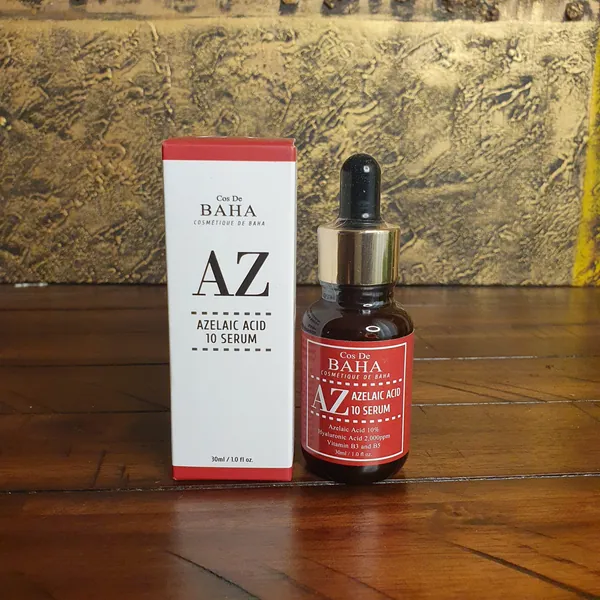
Cos De BAHA Azelaic Acid 10% Serum
An accessible Korean option at a lower price point. Delivers 10% azelaic acid in a straightforward serum texture. Layers well and is not drying. For anyone who wants to test whether azelaic acid works for their skin before committing to the Tiam, this is the entry point.Complementary Products
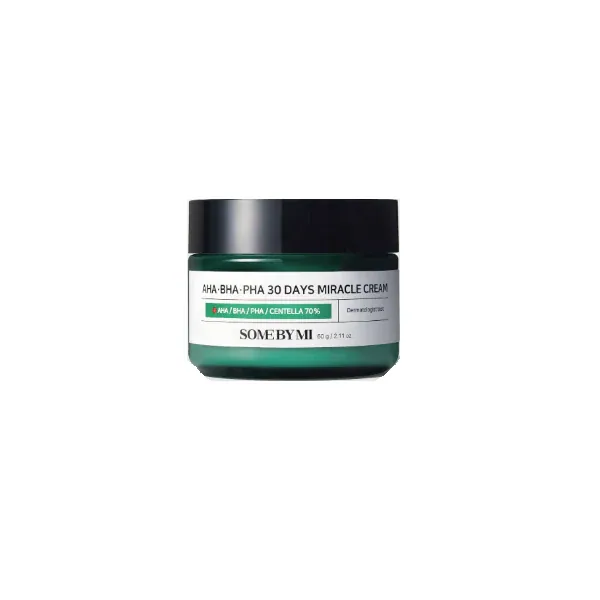
While dedicated Korean azelaic acid products are still limited, the Some By Mi Miracle Cream and COSRX BHA Power Liquid address similar concerns (acne, pore congestion, texture) through different acid pathways. They work well alongside azelaic acid on alternating nights.How to Use Azelaic Acid
Apply once daily in the evening, after cleansing and toning but before moisturiser. Start every other evening for the first two weeks to assess tolerance. Some people experience mild tingling or itching when they first start — this is normal and usually resolves within a week.
Azelaic acid at 10% is safe during pregnancy, which is significant because many other acne and hyperpigmentation treatments (retinoids, hydroquinone, high-dose salicylic acid) are contraindicated. This makes it a valuable option for pregnant or breastfeeding individuals dealing with hormonal skin changes.
Combining With Other Actives
Azelaic acid plays well with niacinamide — they enhance each other's brightening effects. It can be used alongside retinoids on alternating nights. Avoid using it at the same time as AHA or BHA exfoliants to prevent over-exfoliation. On your azelaic acid nights, skip your chemical exfoliant.
Managing Expectations
Azelaic acid is not a quick fix. Visible improvement in rosacea redness typically takes 4-8 weeks. Acne improvement takes 8-12 weeks. Hyperpigmentation fading can take 12-24 weeks. Consistency is more important than concentration — daily use of 10% will outperform sporadic use of 20%.