Korean cooking relies on a handful of deeply flavoured sauces and pastes. Here are six you can find in UK shops that will change the way you cook at home.
The Building Blocks of Korean Flavour
Korean cuisine gets its depth from fermented sauces and pastes that have no real equivalent in Western cooking. While gochujang gets most of the attention these days, it is only one piece of a much larger puzzle. Understanding the core sauces — and how they work together — is the quickest way to make your Korean cooking taste authentic rather than approximate.
Ssamjang and Doenjang: The Fermented Foundations
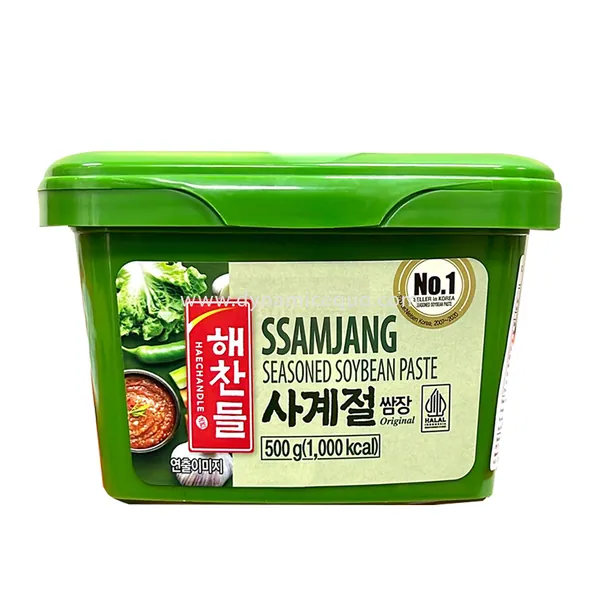
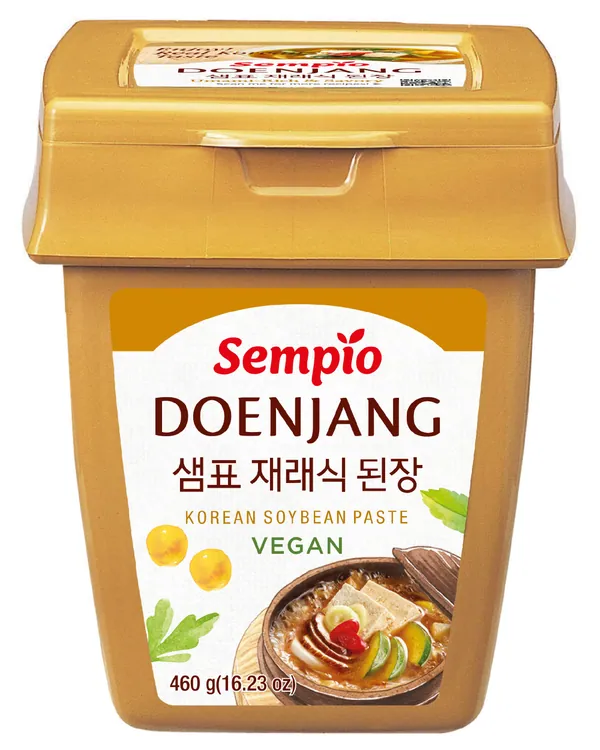
Doenjang is Korea's answer to miso, though comparing the two does neither justice. It is a fermented soybean paste with a pungent, earthy flavour that anchors stews like doenjang-jjigae. Sempio's version is widely available in the UK and keeps well in the fridge for months. Ssamjang takes doenjang and blends it with gochujang, garlic, and sesame oil to create a dipping sauce designed for wrapping grilled meat in lettuce leaves. CJ Haechandle's ssamjang is the market leader in Korea for good reason — it strikes the right balance between salty, sweet, and spicy.
Soy Sauce: Not All the Same
Korean soy sauce comes in two main types, and using the wrong one will throw a dish off. Guk-ganjang (soup soy sauce) is lighter, saltier, and thinner than the regular variety. It is used to season soups and banchan without turning everything dark brown. Sempio's version is the standard in Korean kitchens. Regular Korean soy sauce (jin-ganjang) is closer to what you already have in your cupboard and works for marinades and stir-fries.
Sesame Oil and Plum Extract
Roasted sesame oil is arguably the single most important finishing ingredient in Korean cooking. A drizzle goes into nearly every banchan, every bibimbap, every namul. CJ Beksul's version is cold-pressed and has a strong, toasty fragrance. Buy the real thing rather than blended sesame oils — the difference is enormous. Maesil (plum extract) is less well known in the UK but is used across Korean cooking as a natural sweetener and tenderiser. A spoonful in your bulgogi marinade or kimchi-jjigae adds a rounded sweetness that sugar alone cannot replicate.
Where to Start
If you are building a Korean pantry from scratch, doenjang and sesame oil are the two to buy first. They appear in the widest range of recipes and have the most immediate impact on flavour. Ssamjang is brilliant but more of a condiment than a cooking ingredient. Gochugaru is essential if you plan to make kimchi or any stew with proper heat. All six are available on Amazon with decent shelf lives, so buying them in one go is the most practical approach.
K-Food → Picks
6 Best Korean Sauces You Can Buy in the UK
Essential Korean sauces for your kitchen, from ssamjang to sesame oil.
Korean cuisine gets its depth from fermented sauces and pastes that have no real equivalent in Western cooking. While gochujang gets most of the attention these days, it is only one piece of a much larger puzzle. Understanding the core sauces — and how they work together — is the quickest way to make your Korean cooking taste authentic rather than approximate.
02
Ssamjang and Doenjang: The Fermented Foundations
Doenjang is Korea's answer to miso, though comparing the two does neither justice. It is a fermented soybean paste with a pungent, earthy flavour that anchors stews like doenjang-jjigae. Sempio's version is widely available in the UK and keeps well in the fridge for months. Ssamjang takes doenjang and blends it with gochujang, garlic, and sesame oil to create a dipping sauce designed for wrapping grilled meat in lettuce leaves. CJ Haechandle's ssamjang is the market leader in Korea for good reason — it strikes the right balance between salty, sweet, and spicy.
03
Soy Sauce: Not All the Same
Korean soy sauce comes in two main types, and using the wrong one will throw a dish off. Guk-ganjang (soup soy sauce) is lighter, saltier, and thinner than the regular variety. It is used to season soups and banchan without turning everything dark brown. Sempio's version is the standard in Korean kitchens. Regular Korean soy sauce (jin-ganjang) is closer to what you already have in your cupboard and works for marinades and stir-fries.
05
Sesame Oil and Plum Extract
Roasted sesame oil is arguably the single most important finishing ingredient in Korean cooking. A drizzle goes into nearly every banchan, every bibimbap, every namul. CJ Beksul's version is cold-pressed and has a strong, toasty fragrance. Buy the real thing rather than blended sesame oils — the difference is enormous. Maesil (plum extract) is less well known in the UK but is used across Korean cooking as a natural sweetener and tenderiser. A spoonful in your bulgogi marinade or kimchi-jjigae adds a rounded sweetness that sugar alone cannot replicate.
If you are building a Korean pantry from scratch, doenjang and sesame oil are the two to buy first. They appear in the widest range of recipes and have the most immediate impact on flavour. Ssamjang is brilliant but more of a condiment than a cooking ingredient. Gochugaru is essential if you plan to make kimchi or any stew with proper heat. All six are available on Amazon with decent shelf lives, so buying them in one go is the most practical approach.