Bibimbap Kit Review: 4 UK Options Tested
Bibimbap rewards effort, which is why kit versions face a high bar. We tested four UK-available options across the spectrum from all-in-one to sauce-only to see what is actually worth buying.
What Makes Great Bibimbap
Bibimbap translates to "mixed rice" — 비빔 (*bibim*, mixing) + 밥 (*bap*, cooked rice). At its best it is a masterpiece of colour, texture, and flavour. A proper version has individually seasoned vegetables (*namul*), a protein (usually sliced beef or tofu), a fried egg sunny-side up, and a spoonful of gochujang sauce, all arranged in concentric rings over hot short-grain rice. The ritual of stirring vigorously at the table — breaking the egg yolk, working the sauce into every corner — is the point of the dish.
The namul is what separates real bibimbap from a rice bowl with toppings. Each vegetable is prepped separately and seasoned differently. Spinach (*sigeumchi-namul*) is blanched, squeezed dry, and dressed with sesame oil, garlic, and salt. Bean sprouts (*kongnamul*) get the same treatment but stay crisper. Courgette is sautéed with a pinch of salt. Mooli radish is julienned raw and tossed with gochugaru and vinegar. The goal is five or six components that taste distinct when eaten alone but harmonise when mixed. This individual-prep discipline is also why bibimbap kits face a high bar.
How Bibimbap Kits Actually Work
Most UK-available kits fall into one of three categories: all-in-one (rice + dried vegetables + sauce packet), sauce-only (just the gochujang component, you build the rest), or dried vegetable supplements (namul-adjacent dried veg to supplement fresh ingredients). Knowing which type you are buying changes expectations significantly.
All-in-one kits are the most convenient and the most compromised. The dried vegetable toppings rehydrate adequately but lose the individual seasoning that makes each namul component interesting. Sauce-only products require more work but produce significantly better results. Dried veg supplements sit in the middle and work best as insurance — adding authenticity to a mostly fresh assembly.
None of the kits on this list attempt to replicate *dolsot bibimbap* (돌솥비빔밥), the stone-bowl version served in Korean restaurants. A pre-heated stone bowl (*dolsot*) creates a rice crust (*nurungji*) on the bottom that is audibly sizzling when the bowl arrives. That crust is impossible to replicate at home without an actual stone bowl — if you want it, the bowls are available from Korean supermarkets in New Malden and online from Sous Chef. Sesame oil in the bowl before the rice goes in is essential for the crust to release cleanly.
Bibigo Bibimbap Kit (CJ)
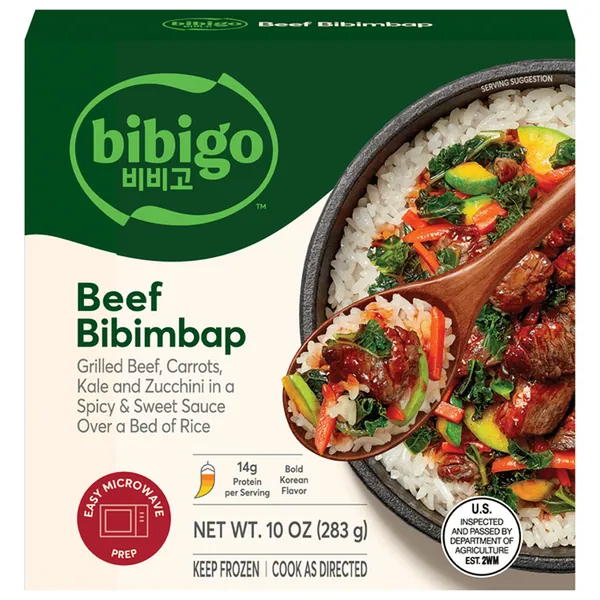
CJ's Bibigo is the most widely available all-in-one kit in the UK — Amazon, HMart, and some Wing Yip branches all stock it. The kit includes pre-cooked rice (microwavable sachet), a mix of dried vegetable toppings, and a gochujang sauce sachet. Assembly takes about four minutes: microwave the rice, rehydrate the vegetables in hot water for two to three minutes, arrange, sauce.
The result is edible. The rice is fine — CJ's Hetbahn sachets are reliable short-grain rice and the microwavable format works. The sauce sachet is decent, hitting the right gochujang-sesame-oil balance. The vegetables are where the kit disappoints: they rehydrate to a limp, uniform texture with no individual seasoning. Everything tastes of the same faint sesame brine.
The bulgogi component is the most misleading claim on the box. What is described as beef is a small amount of very thin-sliced, sauce-coated dried beef strip. It has the texture of jerky softened in water. It is not bulgogi in any meaningful sense. If you want beef in your bibimbap, fry a small sirloin steak separately and slice it.
Best use: office lunch when you have access to a microwave and want something Korean rather than a sandwich. Not a representation of bibimbap as a dish.
Sempio Bibimbap Sauce
Sempio takes the sauce-only approach, which is actually the wiser product design. This is a sweetened gochujang blend with sesame oil, garlic, and a touch of rice vinegar. The proportions are well-balanced — not as sweet as some Korean-American gochujang sauces, genuinely fermented-tasting in the way good gochujang is.
Because you are building around the sauce, the results depend on what you bring. Fresh-cooked short-grain rice (Nishiki or Yutaka from Tesco), a fried egg, and whatever vegetables you can julienne or blanch in ten minutes will give you a genuinely good bibimbap. The Sempio sauce does the flavour heavy lifting. At four pounds it is excellent value — one jar covers four to six bowls.
The veg minimum for an honest UK bibimbap: spinach (blanched and squeezed), carrot matchsticks (briefly sautéed), and cucumber (raw julienne, added fresh at the end). That is three namul with less than fifteen minutes of prep, and the result is far better than any all-in-one kit.
Available: Tier 1 (Amazon), Tier 3 (Sous Chef online). Not in Tesco or Sainsbury's yet.
Wang Bibimbap Sauce
Wang's version is slightly larger at 200g and priced a touch lower than Sempio. The flavour profile is earthier, with a stronger soybean note — this brand tends to lean on the doenjang-like depth in their gochujang blends rather than the sweetness. Whether you prefer Sempio or Wang comes down to taste. Sempio is sweeter and more crowd-friendly; Wang tastes more robustly Korean.
Both are valid choices. Wang is particularly good if you are adding cucumber and a raw egg (the egg cuts the earthiness well). It is also the better sauce for a veg-only bibimbap because the deeper umami compensates for the missing beef.
Available: Tier 2 (Wing Yip, Oriental Mart), Tier 1 (Amazon). Often cheaper at Wing Yip in person.
Ottogi Dried Vegetables
Ottogi's dried vegetable mix is designed for both japchae and bibimbap, and it is the most useful specialist product on this list for anyone serious about replicating real namul at home. The packet contains dried bellflower root (*doraji*), bracken fern (*gosari*), and shiitake mushrooms — all three are traditional bibimbap namul ingredients that are genuinely hard to source fresh in most of the UK.
Dried gosari (fernbrake) is the most significant: rehydrated overnight and stir-fried with soy and garlic, it adds a slightly smoky, earthy note that fresh British vegetables cannot approximate. Doraji (bellflower root) has a mild bitterness and a fibrous texture that contrasts with the softer vegetables. These are not decorative additions — they are the flavours that make Jeonju bibimbap (the most celebrated regional version, with up to twenty vegetable toppings) distinct from a generic rice bowl.
Method: cover in cold water, leave 6-8 hours (or overnight), drain, cut gosari into 5 cm pieces, stir-fry briefly in sesame oil with a splash of soy and a minced garlic clove, season, cool before using. The shiitakes rehydrate faster — 20-30 minutes in warm water, slice, sauté separately.
These work best as a supplement to fresh vegetables rather than a full replacement. Combine with fresh spinach, courgette, and carrot, and your bibimbap is suddenly operating at a different level.
Available: Tier 1 (Amazon), Tier 3 (Japan Centre).
What to Add Fresh: The Non-Negotiables
Whichever kit or sauce you use, these additions make a material difference:
**The egg.** A fried egg, sunny-side up, placed on top before serving. The yolk mixes into the rice and sauce when you stir — it is not optional. No bibimbap kit includes a real egg.
**Fresh cucumber.** Julienned and added raw at assembly. The cool, crisp texture anchors the other warm components. It cuts richness and adds crunch. Add it just before serving so it does not wilt.
**Proper short-grain rice.** Pre-cooked kit rice sachets are acceptable but real bibimbap needs freshly cooked short-grain rice, slightly sticky, served hot enough to warm the toppings from below. CJ's Hetbahn sachets are a reasonable shortcut if you have not planned ahead.
**A drizzle of sesame oil.** On top, after assembly, before mixing. A half-teaspoon is enough — it ties the components together and smells correct.
The Verdict
Skip the all-in-one kits for anything that matters. Buy Sempio's sauce (or Wang's if you want the earthier profile) and Ottogi's dried vegetables. Combine them with freshly cooked short-grain rice, a fried egg, fresh cucumber, and whatever namul you have time to prep, and you will have bibimbap that genuinely impresses. The total cost is around eight to ten pounds for the specialist components — comparable to a single kit box, but the components last for multiple meals.
The Bibigo all-in-one is fine for a quick desk lunch. The Sempio sauce and Ottogi veg combination is for the bowl you would actually want to eat.