Bibimbap Recipe: The Five-Namul UK Home Version
Bibimbap is mixed rice with seasoned vegetables, protein, and a spiced gochujang sauce. Here is the simplified five-namul version any UK home cook can assemble start to finish.
What Bibimbap Is
Bibimbap (비빔밥) means "mixed rice". The name is direct: a bowl of freshly steamed short-grain rice, topped with individual portions of seasoned vegetables (namul), a protein, and a spiced gochujang sauce. The ritual at the table is to stir everything together with a spoon before eating. The proportions change with every mix; the first few mouthfuls before the bowl is fully combined are the best.
The dish is one of the most popular in Korean cuisine and works both as a weekday meal assembled from whatever namul you have prepared and as a considered restaurant dish. A full Jeonju bibimbap uses up to twenty toppings, but the home version is built around five or six vegetables that cover the colour and texture range. That is what this recipe covers.
The Five-Namul Set
Each namul is prepared separately. This takes time but is the reason the dish works: every vegetable has a different texture and seasoning, and they need to stay distinct until the moment of mixing.
**Spinach (sigeumchi-namul):** Blanch a large handful of fresh spinach in boiling salted water for 30 seconds. Transfer immediately to ice-cold water. Squeeze out as much water as you can with both hands, then season with half a teaspoon of sesame oil, one small clove of garlic minced to a paste, and a pinch of salt. Mix through with your fingers and set aside.
**Bean sprouts (kongnamul):** Blanch 100 g of beansprouts in boiling water for 2 minutes. Drain, cool briefly, and season the same way as the spinach: sesame oil, garlic, salt. Bean sprouts at UK supermarkets are soy bean sprouts or mung bean sprouts; either works, though Korean recipes traditionally use soy bean sprouts. Both are fine here.
**Courgette (aehobak-namul):** Halve a small courgette lengthways and slice into half-moons roughly half a centimetre thick. Sprinkle with a pinch of salt and leave for five minutes to draw out moisture. Blot dry with kitchen paper, then sauté in a lightly oiled pan over medium-high heat for two to three minutes until just softened but not mushy. A few drops of sesame oil stirred through off the heat finishes it.
**Carrot matchsticks:** Cut a medium carrot into fine matchsticks. Sauté in a small amount of oil over medium heat for two minutes with a pinch of salt. You want a little colour but the carrot should remain slightly firm.
**Mooli radish (mu-saengchae):** Peel a 10 cm section of mooli and cut into fine matchsticks or grate coarsely. Dress with one teaspoon of rice vinegar, half a teaspoon of sugar, a pinch of salt, and optionally half a teaspoon of gochugaru if you want some heat in the raw component. Toss and leave to pickle lightly for 10 minutes. This is the only namul served raw and it provides a sharp, crunchy contrast to the softer cooked vegetables.
Mooli is available at most UK Asian supermarkets and increasingly at larger Tesco and Sainsbury's stores near cities. It keeps well refrigerated for a week.
The Gochujang Sauce
Mix the following in a small bowl:
- Gochujang: 2 tablespoons - Sesame oil: 1 tablespoon - Sugar: 1 tablespoon - Rice vinegar: half a tablespoon - Water: 1 tablespoon - Garlic, minced: half a clove
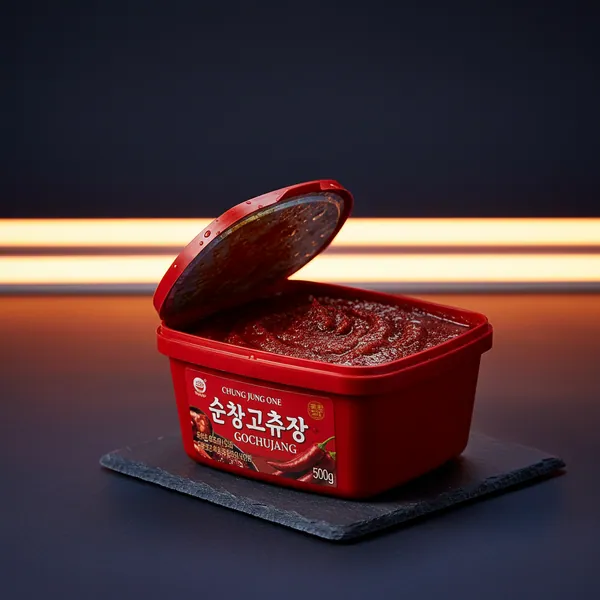
Stir until smooth. The sauce should be thick but spreadable, not a paste you cannot work through the rice. If it seems too stiff, add water one teaspoon at a time. Taste it before adding to the bowl: it should be noticeably spicy, slightly sweet, nutty from the sesame oil. Scale back the gochujang for a milder result; the dish still works at lower heat levels.
Start with one tablespoon of sauce per bowl and add more after mixing. You can always add; you cannot take away.
Protein
The classic choices are bulgogi (marinated sliced beef, cooked and rested) or a fried egg. A fried egg is easier for a weeknight version. Cook it sunny-side up so the yolk is still runny; it acts as a second sauce as it breaks during mixing and coats the rice. Both egg and bulgogi can sit in the same bowl simultaneously, and many Korean home versions include both.
For a vegetarian option, omit the meat entirely and use two eggs, or use firm tofu pan-fried in sesame oil and a little soy sauce.
Dolsot vs Regular Bowl
Dolsot bibimbap uses a stone bowl preheated on the hob until it is smoking hot. The bowl is oiled, rice is pressed in, and the toppings are arranged on top. As it reaches the table, the base layer of rice is forming a golden crust called nurungji. It is audibly sizzling. This crust is the main selling point of dolsot versions.
For home cooking without a stone bowl, a regular deep bowl works fine. The dish tastes the same. If you want the crust effect, press the rice into a very hot non-stick or cast-iron pan with a drizzle of sesame oil after it is cooked, let it sit on high heat for two minutes without stirring, then transfer to a bowl. Not identical to dolsot but it gives you something of the texture.
Common Mistakes
**Rice too wet.** Short-grain rice cooked with slightly less water than usual handles namul better. If the rice is gluey, the whole bowl becomes dense. Cook rice at a 1:1.1 water ratio rather than the 1:1.2 often recommended.
**Too much gochujang too early.** Add the sauce yourself at the table, not in the kitchen. Everyone has different heat tolerance and the balance of sauce to rice is a personal thing.
**Mixing before sitting down.** The concentric arrangement of coloured namul around the protein is part of the dish. Photograph it if you like, but mix it properly before the first bite rather than picking at individual components.
**Dolsot without oil.** If you ever use a stone bowl, the sesame oil on the base is not optional. Without it, the rice will bond to the surface and you will spend twenty minutes scrubbing the bowl.
UK Sourcing
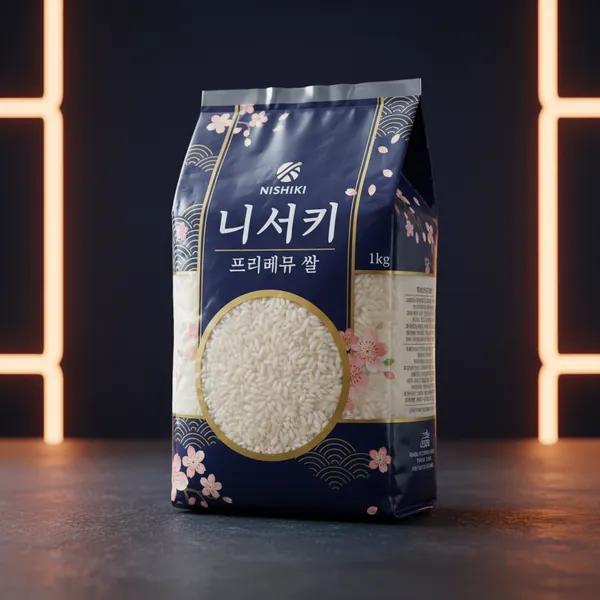
Short-grain sushi rice from Nishiki or Yutaka is available at Tesco, Sainsbury's, and Amazon (Tier 1). Both work for bibimbap; Korean rice brands like Haetsal or Bap are available at Wing Yip or Korean stores in New Malden (Tier 2). Gochujang from Chung Jung One or CJ Haechandle is on Amazon and at most Asian supermarkets. If you cannot find mooli, a standard white radish or even a large turnip can stand in for the raw component, though mooli is increasingly stocked in UK supermarkets alongside other Asian vegetables.