Korean Bulgogi Recipe: UK Home-Cook Version
Bulgogi is thin-sliced marinated beef, cooked fast over high heat. Here is the full marinade ratio, the freeze-slice trick for UK cuts, and how to serve it properly.
What Bulgogi Is
Bulgogi (불고기) translates literally as "fire meat". It is thin-sliced beef marinated in a soy-based sauce, then cooked fast over high heat until slightly caramelised at the edges. The dish is not complicated, but the marinade is doing real work: soy provides salinity and umami, sugar encourages browning, and grated fruit supplies enzymes that physically break down muscle fibres, making lean cuts tender in under four hours. Get the marinade right and the rest follows.
Choosing Your Cut in the UK
Korean butchers pre-slice beef paper-thin for bulgogi, but British supermarkets do not. The two cuts worth using are rib-eye and sirloin. Rib-eye has more intramuscular fat, which flavours the sauce as it renders; sirloin is leaner and better if you are serving it over rice where a cleaner flavour reads well. Avoid rump or braising steak here. They lack the tenderness required.
The freeze-slice method works reliably for home cooks. Buy a 500 g steak, wrap it, and put it in the freezer for 40 to 45 minutes. It should be firm throughout but not frozen solid. Slice across the grain at 2 to 3 mm. Any thicker and the beef will not cook evenly; any thinner and the slices tear in the marinade. A sharp knife matters more than technique here. If you would rather skip this step entirely, Oriental Mart in New Malden sells pre-sliced bulgogi beef refrigerated, and several London branches of Wing Yip carry it frozen.
The Marinade (per 500 g beef)
This is the standard ratio, based on the seasoning proportions used in traditional Korean home cooking:
- Soy sauce (ganjang): 4 tablespoons - Brown sugar: 2 tablespoons - Korean or Asian pear, grated: half a pear (roughly 4 tablespoons of puree) - Garlic, minced: 3 cloves - Fresh ginger, grated: 1 teaspoon - Sesame oil: 2 tablespoons - Mirin or Korean rice wine (mirim): 2 tablespoons - Black pepper: half a teaspoon - Spring onions, sliced: 2 stalks
Combine everything in a bowl, stir to dissolve the sugar, then add the beef. Work the marinade through the slices with your hands. Cover and refrigerate for a minimum of 30 minutes; four hours gives noticeably better flavour penetration. Do not go beyond 24 hours. The fruit enzymes continue working in the fridge and past that point they begin to turn the texture of the meat soft in an unpleasant way.
A Note on Korean Pear
Korean pear (nashi or Asian pear) is the preferred choice because its enzymes are effective without being aggressive and its flavour is clean and sweet. In the UK it is stocked at Wing Yip, New Loon Moon in London's Chinatown, and good Asian supermarkets, or you can order it via Sous Chef online. If you cannot find it, a Conference pear is a workable substitute. Kiwi or pineapple will also tenderise the beef, but only use one tablespoon of either; both contain more aggressive proteases and will turn sliced beef to paste if overused. Grated onion is a traditional fallback in some Korean variants if fruit is not available at all.
Cooking Method
High heat, small batches. This is the non-negotiable part of the process. If you crowd the pan, the beef steams instead of searing and you lose the caramelisation that makes bulgogi distinctive.
Heat a cast-iron pan or heavy carbon steel skillet until it is very hot. Add a small amount of neutral oil or none at all if the meat has enough fat. Work in batches no larger than a handful. Each batch should take 60 to 90 seconds per side. The edges will brown and the sugars will caramelise; that slight char is correct. Move the beef once per side and resist the urge to stir constantly. Remove each batch to a warm plate while you cook the rest. If you have a garden or a tabletop gas burner, the grill method is closer to the restaurant experience: same principle, higher heat, short cook time.
Serving
Bulgogi served as ssam is the most satisfying way to eat it. Set out a plate of green lettuce leaves, some perilla leaves if you have them, a small dish of ssamjang, sliced raw garlic, and sliced green chilli. Spoon a few strips of bulgogi onto a lettuce leaf, add whatever condiments you like, fold, and eat in one go. The contrast of cool crisp lettuce against hot, savoury beef is the point.
Over rice it works equally well, especially with a fried egg and some kimchi alongside. The marinade makes a small amount of sauce in the pan; drizzle that over the rice as well. A simple version of the dish in a bowl with rice and sauce is called bulgogi deopbap and is common for quick weeknight meals in Korea.
The meat is also good stuffed into a lunchbox with rice the next day, straight from the fridge.
UK Ingredient Sourcing
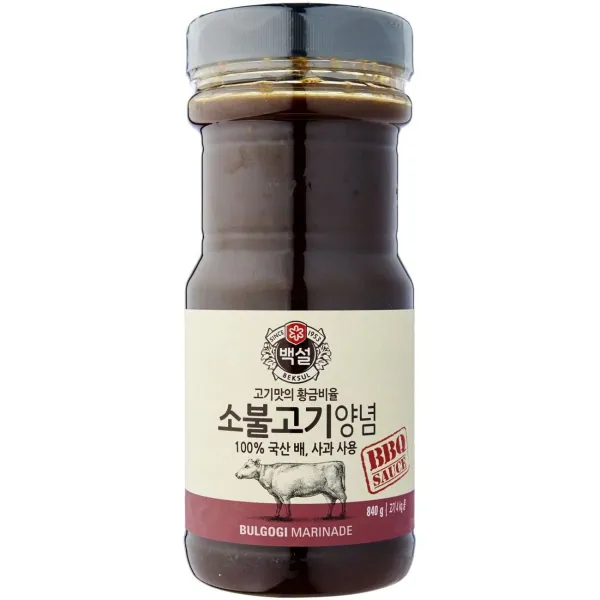
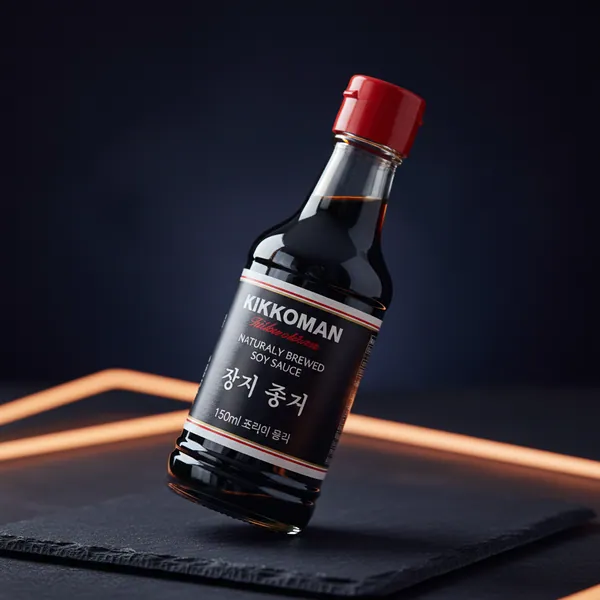
Soy sauce for bulgogi marinade is best from a Korean brand such as Sempio or Chung Jung One. Japanese shoyu is a workable substitute but the flavour profile is slightly different. Both are available at Tesco, Amazon (Tier 1) and larger Oriental Mart or Wing Yip branches (Tier 2). Pre-made bulgogi marinade from CJ Beksul is an honest shortcut if you want the flavour without mixing from scratch; it is available on Amazon and at Korean grocery stores. Sesame oil is worth spending money on. Cheap sesame oil is often diluted. Ottogi and CJ Beksul both produce reliable versions available on Amazon.