Kimchi 101: Everything the UK Home Cook Needs to Know
Kimchi is lactic-acid fermented vegetables, not just spicy cabbage. This guide covers the science, 180+ varieties, UK sourcing, and when to use fresh versus aged kimchi.
What Kimchi Actually Is
Kimchi is not a condiment and it is not a side dish in the Western sense. It is fermented vegetables -- predominantly napa cabbage -- preserved through lactic-acid bacterial fermentation, spiced with a seasoning paste, and aged from anywhere between one day and several years. The result is sour, savoury, and varying degrees of spicy depending on the gochugaru used and how long the kimchi has been left.
There are over 180 documented regional varieties in Korea. The handful that appear most often in UK shops and Korean cookbooks are three: baechu-kimchi (napa cabbage, the default), kkakdugi (cubed Korean radish, mild and crunchy), and oi-sobagi (stuffed cucumber kimchi, typically a summer preparation). When a recipe or restaurant menu says "kimchi" without qualification, it almost always means baechu-kimchi.
The dish's cultural significance is recognised formally. In 2013 UNESCO added kimjang -- the communal autumn practice of making and sharing large quantities of kimchi before winter -- to its Intangible Cultural Heritage of Humanity list. Kimjang is specifically about the collective act rather than the food itself: neighbours and family members gather over one or two days to prepare hundreds of heads of cabbage. The practice remains common in South Korean cities.
The Fermentation Science
Three things happen in sequence when you make kimchi, and understanding them makes the process less mysterious.
First, a salt brine at roughly 2 to 3 percent of the vegetable's weight draws water out of the cabbage by osmosis, creating an anaerobic, salty environment that kills most bacteria that cannot tolerate salt. This is what makes kimchi safe despite having no vinegar and no heat treatment.
Second, *Leuconostoc mesenteroides* bacteria -- halophilic, meaning they thrive in salt -- begin fermenting the natural sugars in the cabbage over the first two to four days. They produce lactic acid and carbon dioxide. The CO2 is why newly sealed kimchi jars bulge and need burping. The lactic acid begins dropping the pH of the kimchi.
Third, *Lactobacillus* species take over as the pH drops further, pushing it down to around 4.2. At that pH the kimchi is shelf-stable, and the distinct sour-fermented flavour is fully developed. At refrigerator temperature this process slows dramatically but never stops entirely. A jar of kimchi made a year ago is still edible -- sharper and more sour, and specifically useful for cooking (see below).
UK Safety Notes for First-Time Fermenters
Making kimchi at home is straightforward but requires a few non-negotiable hygiene points.
Use glass jars or food-grade plastic only. Metal reacts with the lactic acid and gives an off-flavour. Burp the jar every day for the first 48 hours -- the CO2 build-up during *Leuconostoc* activity is strong enough to crack a lid if left sealed in a warm kitchen. Press the kimchi down with a clean spoon before resealing each time so the vegetables stay submerged in brine.
Successful kimchi smells funky, briny, and slightly alcoholic. A sulfurous rotten-egg smell indicates that something went wrong -- usually insufficient salt or contaminated vegetables. Surface mould of any colour is a discard signal. Gas bubbles and a spreading sour tang are both correct.
The 180+ Varieties: Three Worth Knowing
The variety count (180+ at last scholarly documentation) comes from Korea's regional and seasonal tradition of fermenting whatever vegetables were locally available. Most of these are hyper-local and effectively invisible outside Korea.
Three are genuinely useful to know in a UK context.
**Baechu-kimchi** uses whole napa cabbage leaves packed with seasoning paste. It is what every jar labelled "kimchi" in a UK shop contains. Fermentation time ranges from one day (fresh, *geotjeori* style) to over a year (aged, *mugeun-ji*).
**Kkakdugi** is made from Korean radish cut into 2 cm cubes, fermented with a thicker seasoning paste. The texture is crunchier than cabbage kimchi and the flavour is slightly earthier. It pairs well with soups, particularly seolleongtang (ox bone soup).
**Oi-sobagi** is cucumber halved and stuffed with a seasoning paste of garlic, gochugaru, and chives. It ferments quickly (six to eight hours at room temperature) and is best eaten fresh. It does not age well. Korean supermarkets in New Malden carry it seasonally.
Fresh vs Aged: When to Use Which
This is the most practically important thing to understand about kimchi.
Fresh kimchi (less than two weeks old) is bright, mildly sour, and still has a firm crunch. It is best eaten as a banchan -- one of the small side dishes served with every Korean meal. The flavour is light enough not to overwhelm other food on the table.
Aged kimchi, called *mugeun-ji*, is a different ingredient. After one to three months of refrigerated fermentation the lactic acid concentration rises, the heat of the gochugaru softens, and the cell walls of the cabbage break down. This is the kimchi for cooking: kimchi-jjigae (stew), kimchi pancakes, kimchi fried rice. Fresh kimchi in these dishes tastes raw and one-dimensional; aged kimchi gives the dish its backbone.
If you buy supermarket kimchi and want to age it at home, remove the lid, press the kimchi down hard with a spoon, leave it on the kitchen counter for 24 hours, then refrigerate for at least another week before using for cooking. This accelerates the fermentation curve without producing off-flavours.
UK Sourcing
There are three tiers of access in the UK.
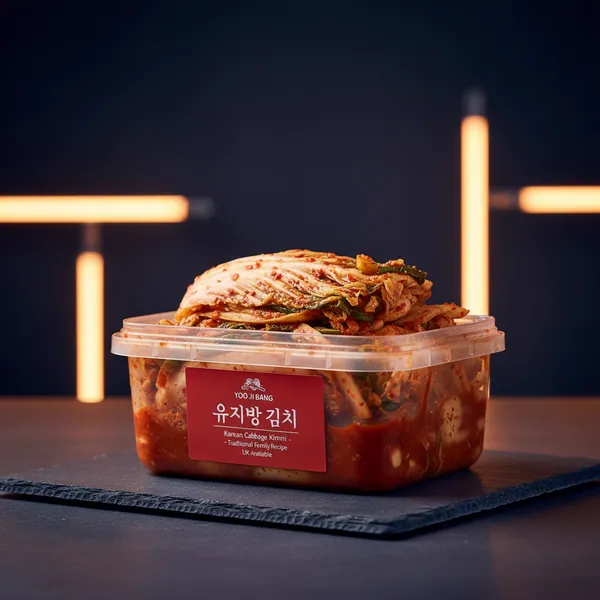
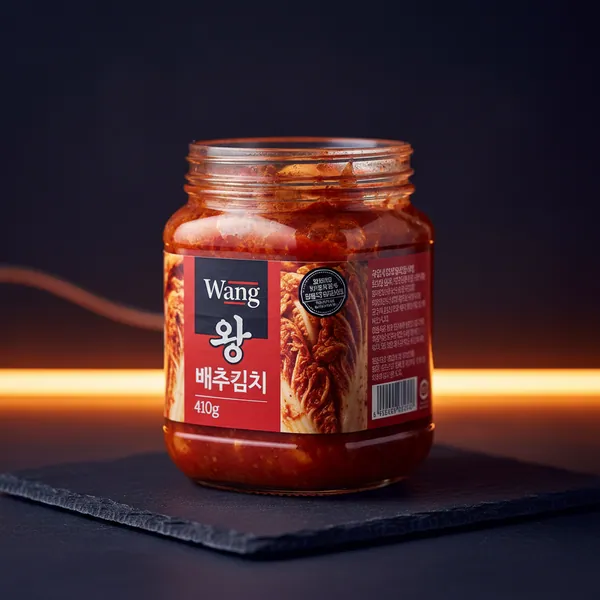
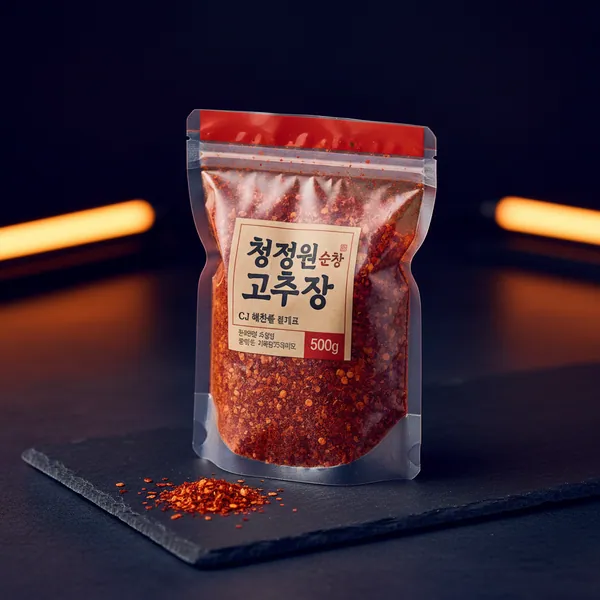
**Tier 1 (Tesco, Sainsbury's, Amazon):** Pre-made kimchi jars are now stocked by Tesco and Sainsbury's in the chilled section or the "world foods" refrigerated bay. Wang brand and Yoo Ji Bang are the most common. These are reliable for eating fresh or adding to cooked dishes. Gochugaru (Korean red pepper flakes) is available from Amazon -- CJ Haechandle 500 g bags are the standard. Napa cabbage appears as "Chinese leaf" at Sainsbury's and Tesco, seasonally.
**Tier 2 (Wing Yip, Oriental Mart, New Malden):** Korean supermarkets in New Malden (Surrey) stock a wider range including aged mugeun-ji jars, saeu-jeot (salted fermented shrimp, used in the seasoning paste), and Korean radish (mu). Wing Yip branches carry napa cabbage, gochugaru, and fish sauce year-round. This is where to source ingredients for making kimchi from scratch.
**Tier 3 (Sous Chef online):** Sous Chef stocks Korean-origin gochugaru, Chung Jung One fish sauce, and cooking-specific Korean pantry ingredients. Useful for mail order if you are outside London.
Common Household Uses
Beyond eating it straight from the jar, kimchi is a functional cooking ingredient.
Chopped aged kimchi goes into kimchi fried rice -- a 10-minute dish that uses leftover rice and day-old kimchi, finished with a fried egg and sesame oil. It goes into kimchi-jjigae, the stew that is arguably Korea's most common weeknight dinner. It goes into kimchi pancakes (kimchi-jeon), where finely chopped kimchi is mixed with a simple batter and pan-fried until crisp at the edges. The juice left in the jar is worth saving: a tablespoon added to marinades or dressings gives an instant fermented sourness without visible kimchi chunks.
Fresh kimchi alongside rich, fatty food -- samgyeopsal (pork belly), fried chicken, instant noodles -- functions as a palate cleanser. The acidity cuts through fat. That is the same function it serves at almost every Korean meal where it appears as banchan.