Kimchi Jjigae: Korean Kimchi Stew the Right Way
Kimchi jjigae is Korea's most cooked weeknight stew. The one non-negotiable is aged kimchi. Here is the full method, the tuna variant, and the mistakes to avoid.
What Kimchi Jjigae Is
Kimchi-jjigae (김치찌개) is kimchi stew. It is one of the most commonly cooked dishes in Korean households -- the default answer to "what is for dinner" in the same way that a pasta sauce might be in an Italian home. The dish has only a handful of components: aged kimchi, pork belly or tuna, tofu, aromatics, and stock. The result should be a deeply savoury, moderately spicy, slightly sour stew that tastes far more considered than its ingredient list suggests.
The word *jjigae* means stew. It distinguishes the dish from *guk* (soup, thinner and higher liquid ratio) and *jeongol* (a more elaborate hotpot). Kimchi-jjigae sits in the middle: substantial enough to be a main meal with a bowl of rice, but not a centrepiece dish in the way that samgyeopsal or galbi would be.
The Central Non-Negotiable: Aged Kimchi
This is where almost every non-Korean attempt at kimchi-jjigae goes wrong. Fresh kimchi does not work here.
Fresh kimchi has a bright, sharp, relatively simple flavour profile. When you cook it into a stew, the acidity stays one-dimensional and the cabbage retains an unpleasant raw-tasting crunch. The dish tastes like someone poured hot water over kimchi salad.
Aged kimchi is chemically different. After at least two weeks past peak fermentation -- ideally a month or more in the fridge -- the lactic acid concentration has risen, the capsaicin from the gochugaru has softened, and the cell walls of the cabbage have broken down sufficiently to release flavour into the broth rather than staying intact and firm. The sourness has body rather than sharpness. The heat is present but mellowed. The cabbage gives up rather than resisting.
**If you have only fresh kimchi:** open the jar, press the kimchi down firmly with a clean spoon, leave it at room temperature on the counter for 24 hours, then refrigerate for at least seven more days before using it in this stew. It will not be as good as naturally aged kimchi but it will be considerably better than using it straight.
**If you want to buy it ready-aged:** Korean supermarkets in New Malden, Wing Yip, and Oriental Mart stock *mugeun-ji* (aged kimchi) in jars. This is the correct starting point for kimchi-jjigae if your regular kimchi is fresh.
Ingredients (serves 2)
- Aged kimchi: 2 cups, roughly chopped, plus 2 to 3 tablespoons of the juice from the jar - Pork belly: 200 g, cut into 2 cm pieces - Onion: half a medium onion, sliced - Garlic: 2 cloves, minced - Spring onions (scallions): 2 to 3 stalks, cut into batons - Firm tofu: half a block (approximately 200 g), cubed - Gochujang (fermented chilli paste): 1 tablespoon - Gochugaru (Korean chilli flakes): 1 tablespoon - Anchovy-kelp stock: 2 cups - Sesame oil: 1 teaspoon, for finishing - Sugar: half a teaspoon, optional (only if the kimchi is particularly sharp)
Making the Stock
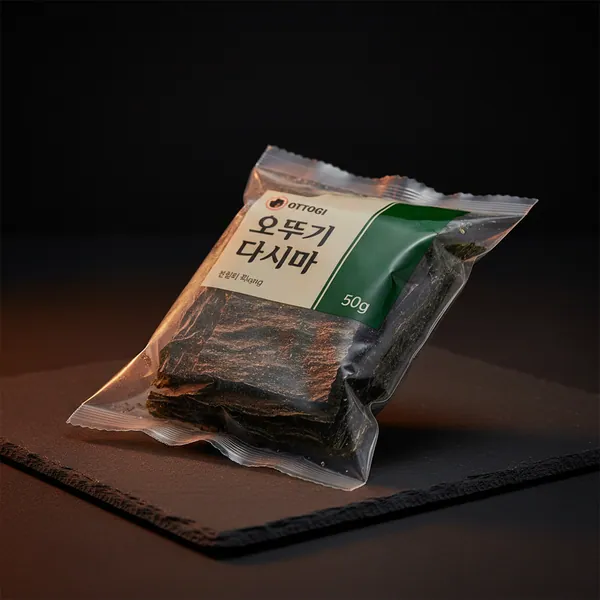
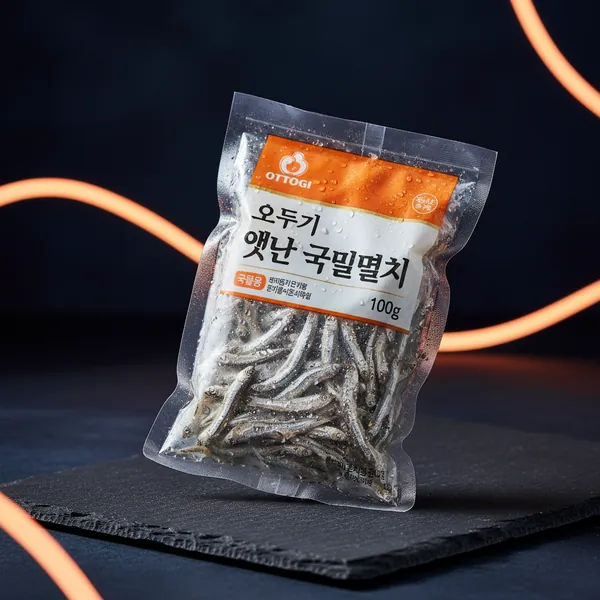
Anchovy-kelp stock is the correct base for kimchi-jjigae. It contributes a savoury depth that chicken stock approaches but does not match, and it takes 10 minutes to make. Combine 6 to 8 large dried anchovies (heads and innards removed) with a 10 cm piece of dried kelp (dashima) in two and a half cups of cold water. Bring to a gentle simmer, cook for 7 minutes, remove the kelp, cook the anchovies for 3 more minutes, then strain. Discard the solids. The stock should smell of the sea but not be fishy in the offensive sense.
Chicken stock is an acceptable substitute. Plain water will give a noticeably thinner stew.
Cooking Method
This follows the method documented by Maangchi, which is the most widely validated by Korean home cooks.
1. Place a stew pot or saucepan over medium-high heat. Add the pork belly pieces and render the fat for around 3 minutes, turning once or twice, until the edges are lightly crisped. You do not need extra oil.
2. Add the chopped kimchi, sliced onion, and garlic directly to the pork fat in the pot. Stir-fry for 5 minutes. The kimchi will darken and the smell will shift from sharp-sour to something sweeter -- that is the correct signal to proceed.
3. Add the gochujang, gochugaru, and kimchi juice. Stir everything together so the pastes coat the kimchi and pork.
4. Pour in the stock. Bring to a boil, then reduce to a moderate simmer. Cook for 15 minutes. The broth will turn a deep reddish-orange and the kimchi will soften fully.
5. Add the cubed tofu and spring onion batons. Simmer for a further 3 minutes. Taste the broth: if it needs more sourness, add another tablespoon of kimchi juice; if it is overwhelmingly sharp, add the half teaspoon of sugar.
6. Remove from the heat. Drizzle sesame oil over the surface and serve immediately.
Serving
Kimchi-jjigae is served with a bowl of steamed white rice on the side, not mixed into the stew. The rice accompanies the stew as a separate component. In Korea it is typically brought to the table in an earthenware bowl called a *ddukbaegi*, which retains heat and allows the stew to carry on bubbling at the table for several minutes after serving. A ceramic or cast-iron bowl achieves a similar effect at home.
Do not put rice in the stew. It is not a bibimbap-style combination.
The Tuna Variant (Chamchi Kimchi-jjigae)
Replace the pork belly with one 185 g tin of tuna in oil, drained. The method changes in one step: do not render tuna in step 1. Instead, go straight to step 2 (kimchi, onion, garlic with a small drizzle of neutral oil), proceed through the stock and simmering stage, and add the tuna along with the tofu in step 5.
Tuna kimchi-jjigae is lighter, cheaper, faster to cook, and the more common weeknight variant in households without pork. The flavour is somewhat less rich than the pork belly version but still substantial. Tuna in sunflower oil is fine; avoid tuna in brine for this dish as the extra water dilutes the stew.
Common Mistakes
**Fresh kimchi.** The single most common error. The stew will taste thin, raw, and overly sharp.
**No stock.** Water alone produces a flat, thin broth. Anchovy-kelp stock adds the umami foundation that makes the stew feel finished rather than improvised.
**Too much gochujang.** One tablespoon is the correct amount for two portions. The kimchi itself carries most of the flavour and spice. Exceeding a tablespoon makes the sauce thick and claggy and pushes the dish into a different, worse register.
**Rolling boil, too long.** This is a simmer dish. A sustained hard boil breaks down the tofu too far, evaporates too much liquid, and does not improve the flavour. Lower the heat once the stock comes to a boil and hold a moderate simmer throughout.
UK Ingredient Sourcing
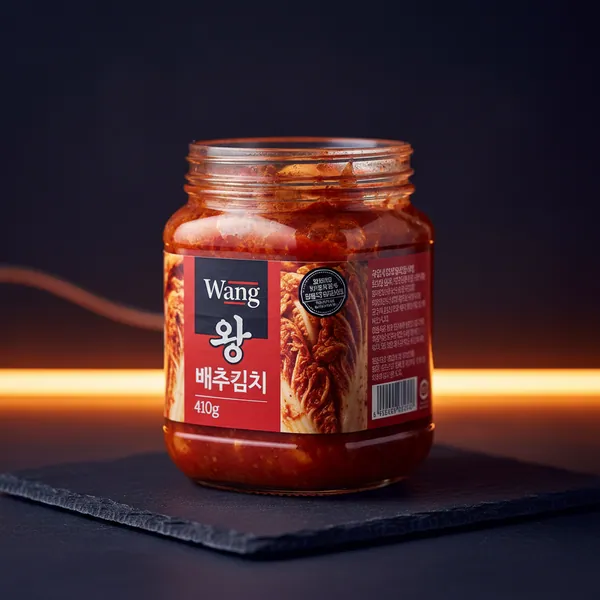
Wang kimchi (1 kg jar) is available from Amazon and from Wing Yip as a reliable aged-ready option. If you are aging your own, buy any Korean-brand baechu-kimchi and follow the aging process described above.
Dried anchovy and kelp packs for stock are sold as a single combination pack by Ottogi on Amazon and at Sous Chef. Ottogi also sells them separately. One packet of anchovies makes stock for three to four batches of jjigae.
Gochujang is available at every major UK supermarket (Tesco, Sainsbury's, Ocado) in the world foods aisle. CJ Haechandle and Sempio are the mainstream brands and both are correct for this dish. Wing Yip and New Malden Korean supermarkets stock a wider range including premium artisan-style versions if that matters to you.
Firm tofu is at every major UK supermarket. Korean brands at New Malden have a slightly firmer texture that holds shape better in stewing; supermarket tofu is a perfectly adequate substitute.