5 Essential Korean Cooking Tools for Your Kitchen
Korean cooking does not demand a kitchen full of specialist equipment, but a few key tools make an enormous difference. Here are the five worth investing in, all available in the UK.
You Do Not Need Much
Korean home cooking is remarkably practical. Most dishes require nothing more than a good knife, a chopping board, and a few pots. But certain tools exist because they genuinely change the outcome of a dish — a stone bowl does not just serve bibimbap, it creates the crispy rice layer that makes the dish special. Here are the five tools that Korean home cooks actually use, rather than the ones that look good on a shelf.
The Dolsot (Stone Bowl)
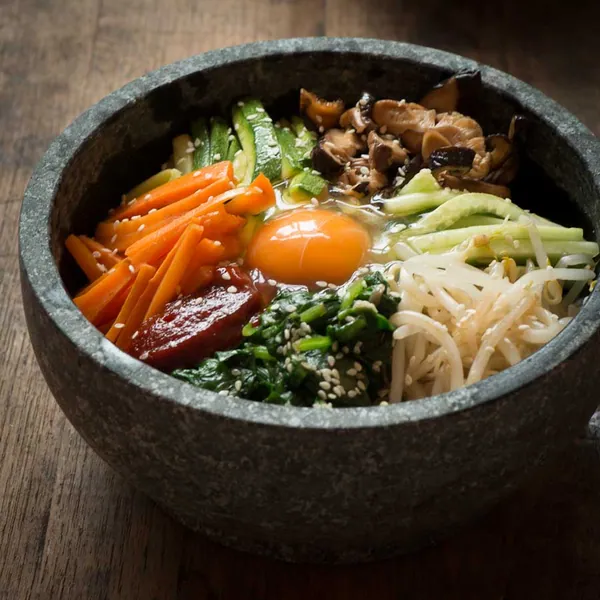
A dolsot is a heavy stone bowl that retains heat for an extraordinary amount of time. You heat it until smoking hot, add your rice and toppings, and the bowl creates a golden, crunchy rice crust (nurungji) on the bottom. This is what separates dolsot bibimbap from a regular rice bowl. It also works for sizzling soups and stews. Season it with sesame oil before first use and it will last for years.
The Ttukbaegi (Earthenware Pot)
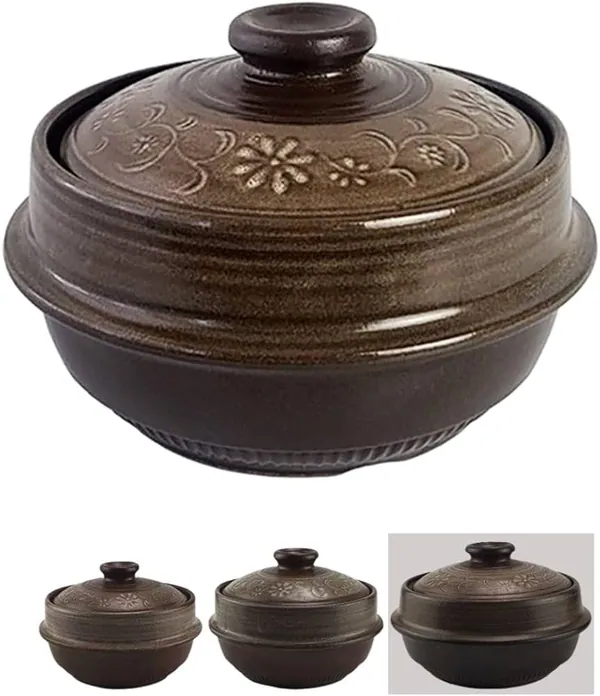
This small, rough-textured ceramic pot is what Korean stews are cooked and served in. Kimchi-jjigae, doenjang-jjigae, sundubu-jjigae — they all come to the table bubbling furiously in a ttukbaegi. The earthenware holds heat and distributes it evenly, and there is something deeply satisfying about eating directly from the pot it was cooked in. At under twenty pounds, it is one of the best value pieces of cookware you can buy.
Stainless Steel Chopsticks
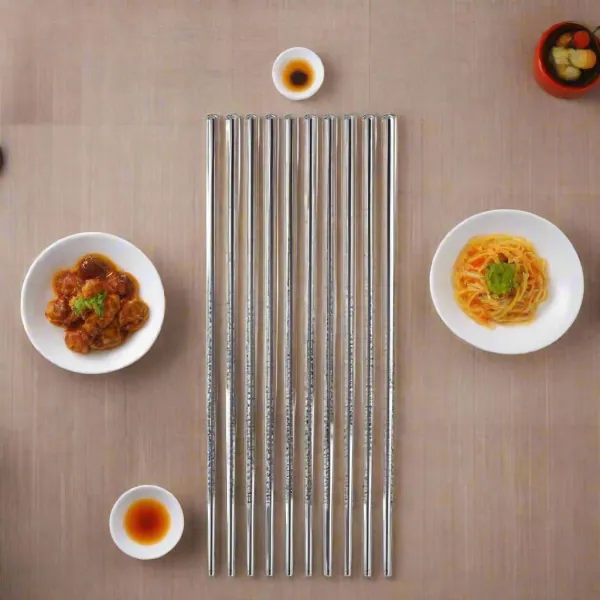
Korean chopsticks are flat, metal, and notoriously slippery. There is a learning curve if you are used to wooden or bamboo chopsticks, but metal ones are more hygienic, do not absorb flavours, and last indefinitely. They are also better for handling Korean barbecue — wooden chopsticks would scorch over a grill.
The Mandoline Slicer
Korean cooking involves a lot of thinly sliced vegetables — for kimchi, japchae, pancakes, and banchan. A good mandoline slicer makes this work quick rather than tedious. The Benriner is the model used in professional kitchens across Asia. It is sharp, adjustable, and far more precise than attempting julienne cuts by hand. Use the guard though — mandolines are unforgiving.
Stainless Steel Serving Bowls
Korean meals are served in a specific way: rice in a metal bowl, soup on the side, banchan in small dishes. Having proper stainless steel rice bowls makes the meal feel more authentically Korean and keeps rice warmer for longer than ceramic alternatives. A set of two costs under twenty pounds and gives your Korean meals the right look and feel.