Korean Dessert Recipes You Can Make at Home
Korean desserts lean towards subtle sweetness, interesting textures, and ingredients like red bean, rice flour, and sesame. Here are three you can make at home with ingredients available in the UK.
Korean Desserts Are Different
Korean desserts do not follow Western conventions. They tend to be less sweet, more textural, and built around ingredients like glutinous rice flour, red bean paste, and ground nuts or seeds. Sugar is used sparingly; sweetness comes from honey, fruit, or naturally sweet beans. The results are desserts that feel lighter and more elegant than their Western counterparts — satisfying without being cloying.
Chapssaltteok (Korean Mochi)
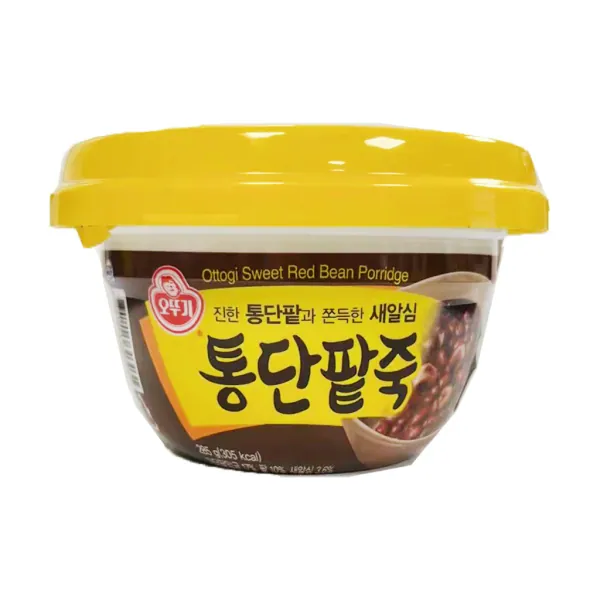
These chewy rice cakes filled with sweet red bean paste are one of Korea's most popular sweets. Mix glutinous rice flour with water and a tablespoon of sugar, then steam the dough for twenty minutes until it becomes translucent and stretchy. While still warm, pull off golf-ball-sized pieces, flatten them in your palm (dust your hands with cornstarch to prevent sticking), place a spoonful of Ottogi red bean paste in the centre, and pinch the edges closed. The texture should be soft, stretchy, and slightly sticky. These are best eaten within a day — the rice cake hardens as it cools, though a brief microwave revives it.
Hotteok (Sweet Pancakes)
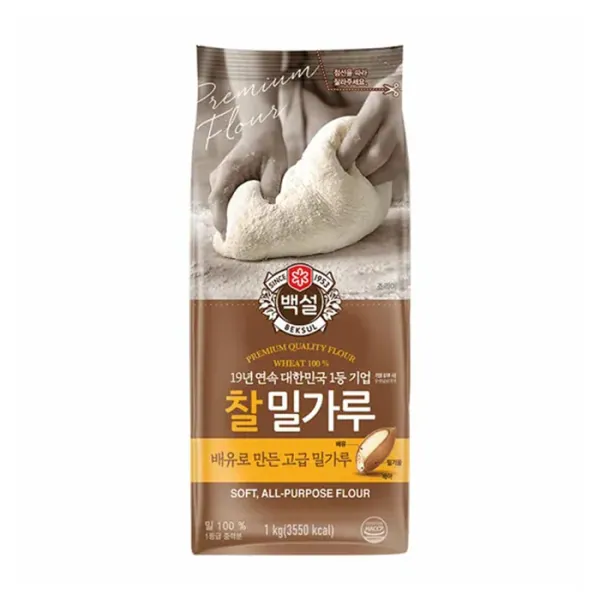
Hotteok are yeasted dough pancakes filled with a mixture of brown sugar, cinnamon, and crushed peanuts. The dough is simple — flour, water, yeast, sugar, and a pinch of salt. Let it rise for an hour, then portion into balls, stuff with the sugar-nut filling, seal, and flatten in an oiled pan. Press them flat with a spatula while they cook over medium heat. The outside should be golden and crispy, the inside molten and sweet. These are one of Korea's favourite winter street foods and are almost impossible to stop eating.
Injeolmi (Soybean Powder Rice Cake)
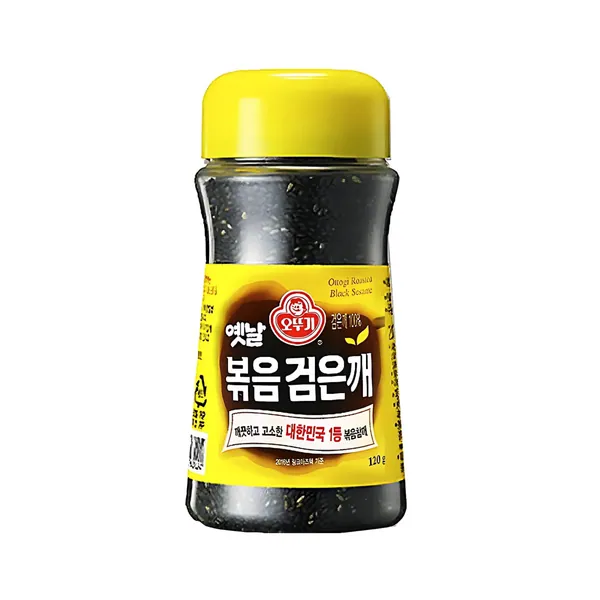
Injeolmi is a traditional Korean sweet made from glutinous rice that is steamed and pounded until smooth, then cut into pieces and rolled in roasted soybean powder (or black sesame powder for a variation). The texture is dense and chewy, and the nutty coating provides a gentle sweetness. To make it at home, steam glutinous rice flour dough as for chapssaltteok, pound or knead it thoroughly while warm, cut into bite-sized rectangles, and roll in Ottogi's black sesame powder mixed with a tablespoon of sugar and a pinch of salt. The result is a refined, traditional sweet that goes beautifully with Korean tea.
Getting the Texture Right
The key to all Korean rice cake desserts is the glutinous rice flour. It must be specifically glutinous (sweet) rice flour, not regular rice flour — they are completely different products that produce entirely different results. CJ Beksul's chapssal-garu is the standard brand. Work the dough while it is warm for the best texture, and always dust your surfaces and hands with cornstarch to prevent sticking.