Korean Pantry Essentials: 8 Ingredients You Need
Building a Korean pantry does not require buying dozens of unfamiliar products. These eight staples cover the vast majority of Korean recipes and all are available in the UK with long shelf lives.
The Korean Pantry Philosophy
Korean cooking relies on a core set of fermented pastes, seasonings, and staple ingredients that recur across hundreds of dishes. Once you have these eight items in your kitchen, you can make everything from a simple bibimbap to a complex kimchi-jjigae without another trip to the shops. All of them keep for months (some for years) and represent an initial investment of roughly fifty to sixty pounds.
The Fermented Trinity
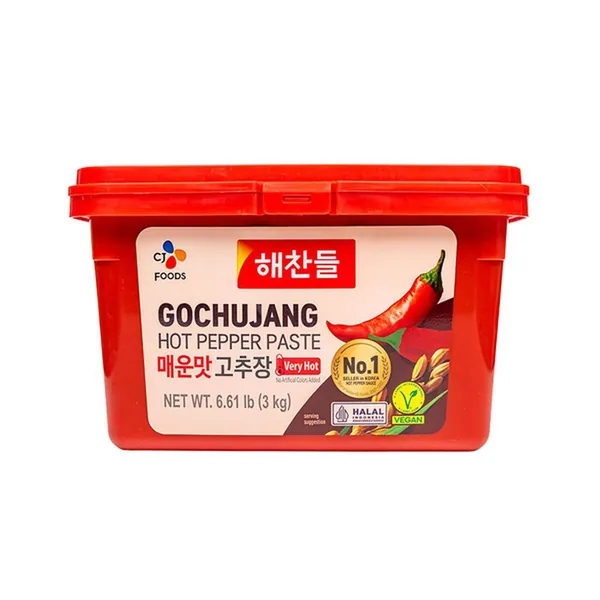
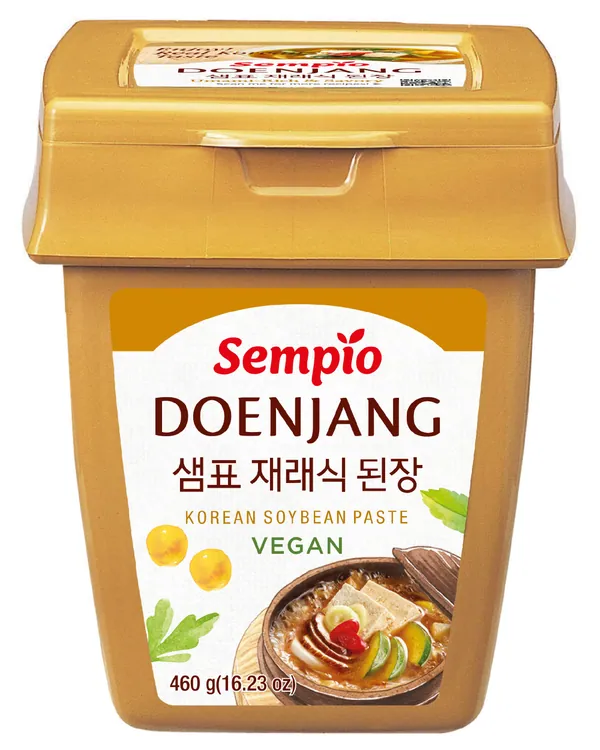
Gochujang, doenjang, and ganjang (soy sauce) form the backbone of Korean seasoning. Gochujang is the fermented red chilli paste that adds sweet heat to stews, marinades, and dipping sauces. Doenjang is the fermented soybean paste used in soups and stews — earthier and funkier than Japanese miso. Korean soy sauce ties everything together. CJ Haechandle and Sempio are the two dominant brands in Korea, and both are reliable choices available in the UK.
The Aromatics: Sesame Oil and Gochugaru
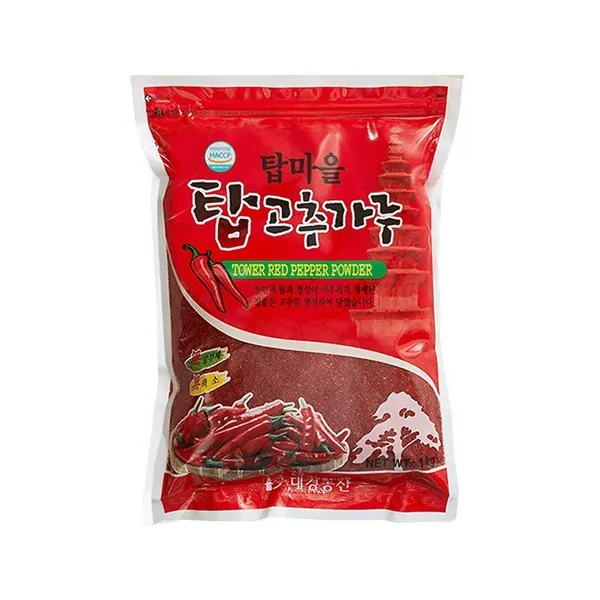
Roasted sesame oil is used as a finishing oil in almost every Korean dish. It adds a warm, nutty depth that olive oil simply cannot replicate. Buy 100% pure sesame oil rather than blended versions. Gochugaru (Korean chilli flakes) is different from standard chilli flakes — it is made from sun-dried Korean peppers that are smoky, slightly sweet, and not brutally hot. It is essential for making kimchi and for seasoning stews and banchan.
The Practical Staples
Korean short-grain rice is stickier and chewier than basmati or jasmine rice, and it is what Korean meals are built around. A 4.5kg bag will last a household several weeks. Rice vinegar is used in dressings, pickles, and dipping sauces — it is milder and sweeter than Western vinegars. Dasida beef stock powder is Korea's answer to a stock cube, used to add quick umami depth to soups and stews. Some cooks prefer anchovy stock for a more traditional flavour, but Dasida is more convenient and stores indefinitely.
Where to Buy in the UK: A Three-Tier Model
**Tier 1 — Major supermarkets (Tesco, Sainsbury's, Waitrose):** Gochujang is the one item you can now find reliably in larger branches, typically Chung Jung One or Sempio branded at £4-6 for 200g. Sesame oil and rice vinegar are also usually stocked. Don't expect doenjang, gochugaru, or Dasida at this tier.
**Tier 2 — Oriental supermarkets (Wing Yip, HMart, New Malden area stores):** Everything on this list, plus the specialist items you'll graduate to. Wing Yip has branches in Birmingham, Manchester, Croydon, and Nechells. HMart operates online with next-day delivery to most UK postcodes. Prices at this tier are typically ten to fifteen percent below Amazon.
**Tier 3 — Online specialists (Sous Chef, Japan Centre, Amazon):** Best for hard-to-find items, bulk orders, or if you have no local Tier 2 option. Sous Chef in particular stocks artisan and premium Korean pantry items that the bigger supermarkets don't carry — myeolchi (dried anchovies), dashima (dried kelp), saeu-jeot (salted fermented shrimp) — useful once you move past the eight staples above.
**Storage:** All fermented pastes (gochujang, doenjang) should be stored in the fridge after opening — they will keep for a year or more. Gochugaru degrades fastest; store it in the freezer and scoop out what you need. Rice and stock powder are fine in a cool, dry cupboard. Buy the largest sizes you can for the fermented pastes — per-gram price drops significantly at 500g+ tub sizes.