Best At-Home Body Sculpting Devices: Realistic Expectations
Body sculpting devices promise to firm, tone, and smooth from the comfort of your bathroom. The reality is more nuanced — some technologies have genuine evidence behind them, while others are wishful thinking with a rechargeable battery. Here is what actually works and three devices worth considering.
What Body Sculpting Devices Can and Cannot Do
Note: the three devices reviewed here are Western market leaders in the body device category — Korean brands (including Medicube) do produce body tools but are less widely available in the UK at this price tier.
Let's get the uncomfortable truth out of the way first. No home device will melt fat, replace exercise, or dramatically reshape your body. What certain technologies can do is improve skin firmness and texture in specific areas, temporarily reduce the appearance of cellulite, and support the results of an already healthy lifestyle. If anyone is selling a device with claims of fat loss or dramatic body reshaping, they are lying or being deliberately vague.
The two technologies with the best evidence for body skin improvement are radio frequency (RF) and microcurrent. RF heats the dermis to stimulate collagen production, improving skin elasticity and firmness. Microcurrent stimulates muscle fibres, producing a temporary toning effect that, with consistent use, can improve muscle definition. Neither technology melts fat.
Three Body Devices Reviewed
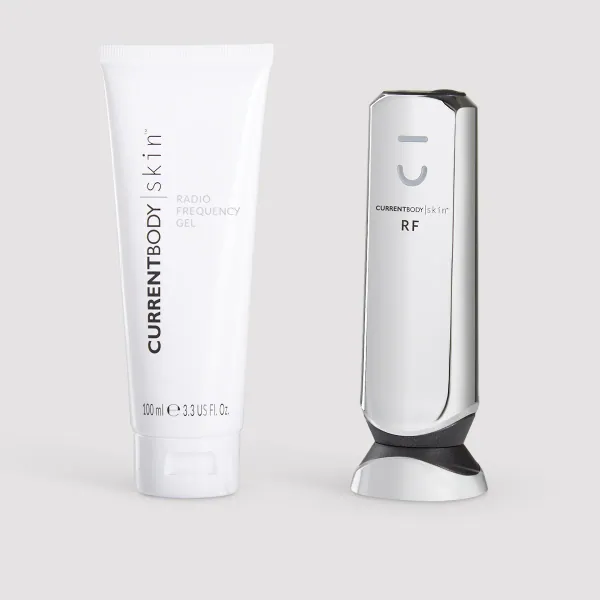
**CurrentBody Skin RF Body Device** applies the same radio frequency technology used in their facial devices to larger body zones. The treatment head is substantially bigger than facial RF devices, making it practical to cover the thighs, abdomen, and upper arms without spending an hour per session. RF creates a warming sensation that penetrates to the dermal layer, stimulating collagen and improving skin texture over time. After six weeks of consistent use on the upper arms, there was a visible improvement in skin firmness and a reduction in the crepe-like texture that often develops in that area. At £249, it is the most evidence-backed option for body skin quality.
**NuBODY Skin Toning Device** by NuFACE brings microcurrent technology to the body. It uses four spherical electrodes that glide across larger body surfaces and deliver microcurrent to underlying muscles. The effect is a gentle tingling followed by a mild tightening sensation. NuFACE recommends using it with their body gel for conductivity. The most convincing results were on the abdomen, where regular use produced a subtle but visible firming effect. At £229, it is best suited to someone who already uses NuFACE for their face and wants a unified system.
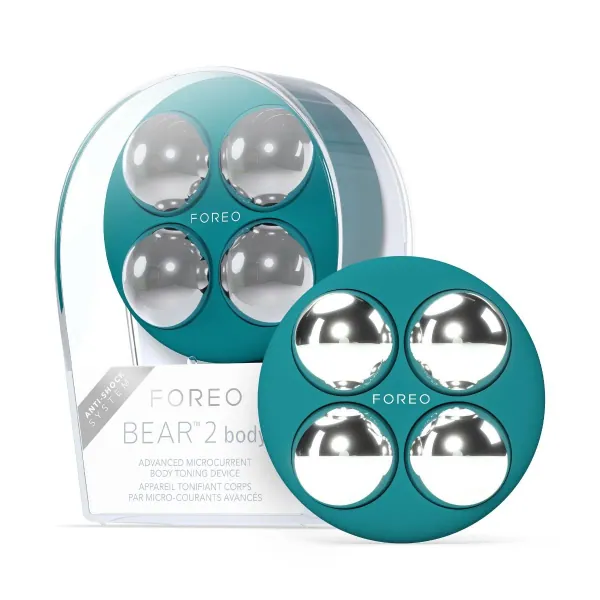
**FOREO BEAR 2 Body** combines microcurrent with FOREO's signature T-Sonic pulsation for a treatment that doubles as a massage. The anti-shock system automatically adjusts current intensity based on skin resistance, which varies significantly across different body zones. Five-minute treatments per zone are the shortest here, which makes it the most realistic for daily use. At £259 it is the priciest option, but the massage element makes the treatment feel more luxurious than clinical. Best for someone who wants a pleasant daily routine rather than maximum clinical efficacy.
Setting Realistic Goals
The most honest way to approach body devices is as a complement to the basics: regular exercise, adequate hydration, and a body care routine that includes moisturisation and sun protection. A body RF device can improve skin quality on the arms, thighs, and abdomen. A body microcurrent device can help maintain muscle tone. Neither will transform your body shape.
For cellulite specifically, RF has the strongest evidence — the heating improves the structure of connective tissue that creates the dimpled appearance. Results are modest and require ongoing maintenance, but they are measurable in clinical studies.
Are They Worth the Investment?
At £229 to £259, body devices represent a significant outlay for modest, gradual improvements. They are worth it for someone who has already addressed the fundamentals (nutrition, exercise, basic skincare) and wants to optimise further. They are not worth it as a substitute for lifestyle changes or as a first step in body care. Think of them as the equivalent of a premium moisturiser — a refinement on top of a solid foundation, not the foundation itself.