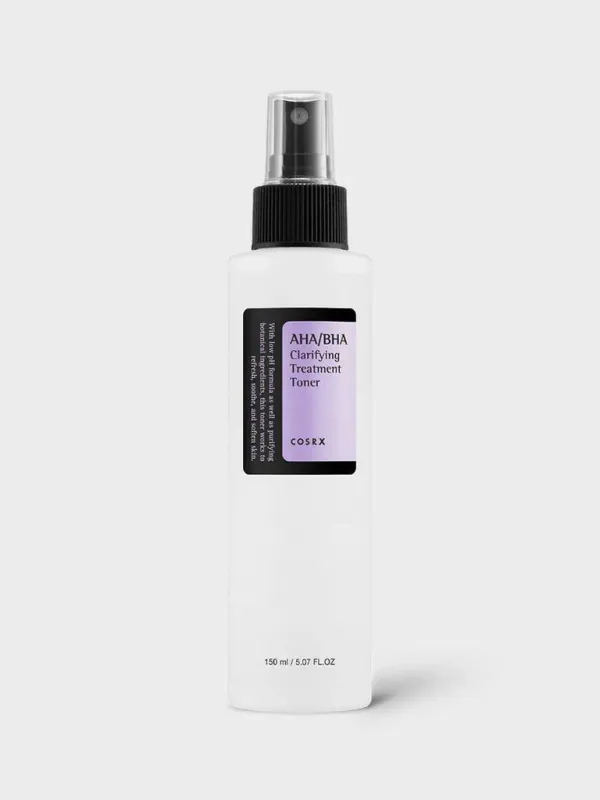
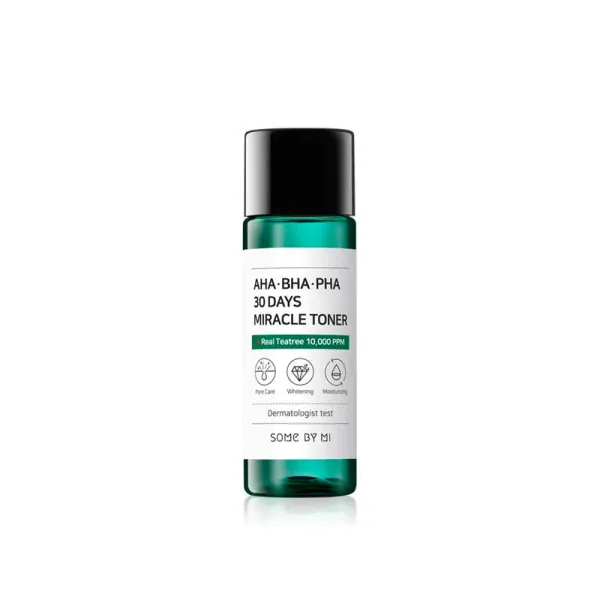
Best Korean Exfoliators
Korean exfoliation favours gentle, consistent resurfacing over aggressive scrubbing. These five products cover chemical and physical options that actually improve skin texture safely.
Chemical vs Physical Exfoliation
Exfoliation removes dead skin cells from the surface of your skin, revealing fresher, smoother skin beneath. There are two approaches: chemical exfoliation uses acids to dissolve the bonds between dead cells, and physical exfoliation uses friction to manually remove them.
Korean skincare heavily favours chemical exfoliation. Harsh scrubs with walnut shell fragments or microbeads (now banned in the UK) create micro-tears in the skin and cause more damage than good. Chemical exfoliants work evenly, can penetrate pores, and the intensity is controllable through concentration and contact time.
Understanding the Acids
**AHA (Alpha Hydroxy Acid)** — Glycolic acid and lactic acid are the most common. These are water-soluble and work on the skin surface. Best for dry skin, fine lines, and dull complexion. They increase sun sensitivity, so morning SPF is essential.
**BHA (Beta Hydroxy Acid)** — Salicylic acid is the star here. It is oil-soluble, meaning it can penetrate into pores and clear out sebum and debris. Best for oily, acne-prone skin with blackheads and congestion.
**PHA (Polyhydroxy Acid)** — Gluconolactone and lactobionic acid. These are the gentlest of the three, with larger molecular structures that penetrate more slowly. Best for sensitive skin that cannot tolerate AHA or BHA.
BHA Pads: Convenient Chemical Exfoliation
Pre-soaked cotton pads are a sensible format for BHA exfoliation — you wipe the pad across your face after cleansing and you are done. No measuring, no worrying about applying evenly. The COSRX One Step Original Clear Pad uses betaine salicylate rather than salicylic acid. Betaine salicylate delivers the same BHA exfoliation with a gentler profile, which makes these pads tolerable for people who find straight salicylic acid formulations irritating.
At £16.99 for 70 pads, each pad costs around 24p. At twice-weekly use, a tub lasts approximately eight months. The pads are large enough to do both face and neck in a single pass. Use after cleansing, before any serums or actives. They work particularly well for blackhead-prone skin on the nose and chin where liquid products are difficult to apply precisely.
The Peeling Gel Phenomenon
Korean peeling gels deserve special mention. These products contain cellulose that rolls up into small balls when you massage it on your skin, physically carrying dead skin cells with it. The satisfying visible "peeling" makes them feel extremely effective, and they are — but gently. The Isntree Green Barley Peeling Gel is an excellent example, using natural cellulose alongside soothing green barley extract.
If you have sensitive skin or find acid exfoliants too intense, peeling gels are your best entry point. They provide visible, immediate results without the irritation risk or sun sensitivity increase of chemical exfoliation.
How Often to Exfoliate
For chemical exfoliants, start with once or twice per week and increase only if your skin tolerates it well. Most people should not exceed three times per week. Over-exfoliation is one of the most common skincare mistakes — it strips the barrier, causes sensitivity, and paradoxically makes skin look worse.
Peeling gels can be used slightly more frequently — two to three times per week — because the mechanical action is gentler than acids. But even here, less is more. Your skin needs time to regenerate between exfoliation sessions.
Signs You Are Over-Exfoliating
Tightness, stinging when applying products that did not previously sting, increased redness, shiny or "glassy" looking skin (not in a good way), and sudden sensitivity to products you have used for months. If you notice any of these, stop all exfoliation immediately and focus on barrier repair for at least two weeks.