Korean Eye Cream Guide
The skin around your eyes is thinner and more delicate than anywhere else on your face. Korean eye creams address this with targeted formulations that Western brands often overlook.
Do You Actually Need an Eye Cream?
This is a fair question and the honest answer is: it depends. The skin around your eyes is about 0.5mm thick — roughly half the thickness of the rest of your face. It has fewer oil glands, less collagen, and more muscle movement than any other facial area. This means it ages faster, dehydrates quicker, and reacts more readily to irritants.
If your regular moisturiser does not irritate the eye area and you have no specific concerns, you might get away without a dedicated eye cream in your twenties. But once fine lines, dark circles, or puffiness become noticeable, a targeted product earns its place in your routine.
What Korean Eye Creams Get Right
Korean eye creams tend to be lighter in texture than their Western counterparts. Heavy creams can cause milia (those small white bumps) around the eyes because the skin there cannot handle thick, occlusive formulas. K-beauty eye creams often use gel-cream or lightweight emulsion textures that deliver active ingredients without overwhelming the delicate area.
The ingredient choices are also more considered. Rather than dumping retinol at concentrations suitable for cheeks and forehead, Korean brands use gentler retinoid forms like retinal or bakuchiol, paired with soothing ingredients like ginseng, centella, or peptides.
Dark Circles: What Actually Works
Dark circles have multiple causes. Hyperpigmentation responds to niacinamide and vitamin C. Thin skin showing blood vessels (a bluish tint) benefits from peptides that thicken the skin over time. Hollows and loss of volume are structural — no cream fixes those, despite what marketing claims. Understanding your type of dark circle is essential before choosing a product.
How to Apply Eye Cream
Use your ring finger — it applies the least pressure naturally. Dot a small amount (grain of rice per eye) along the orbital bone, from the inner corner underneath to the outer corner and up to the brow bone. Pat gently, never rub. Apply before moisturiser but after serums.
The Price Spectrum
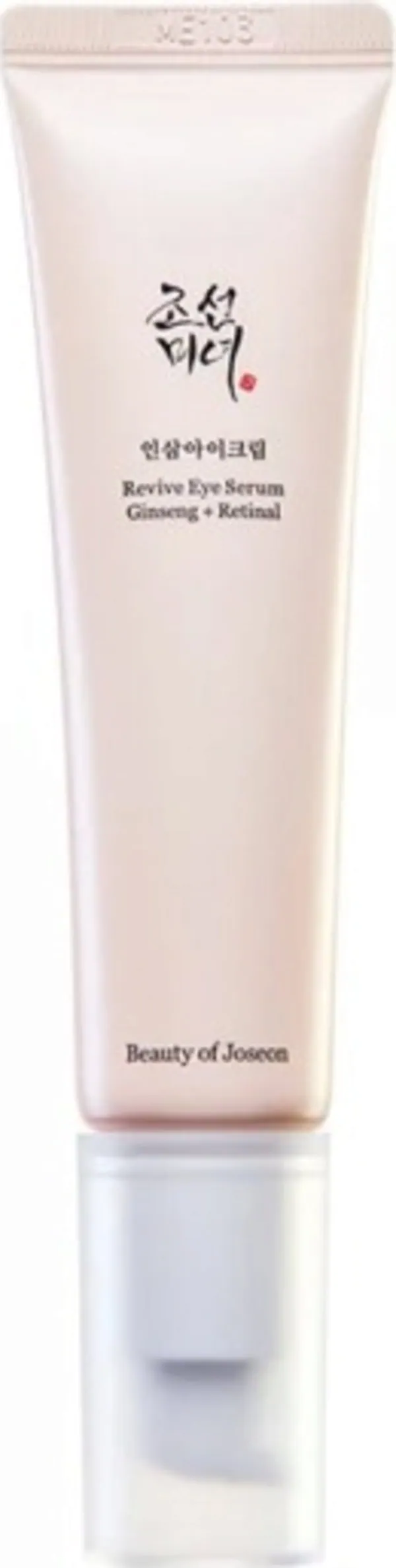
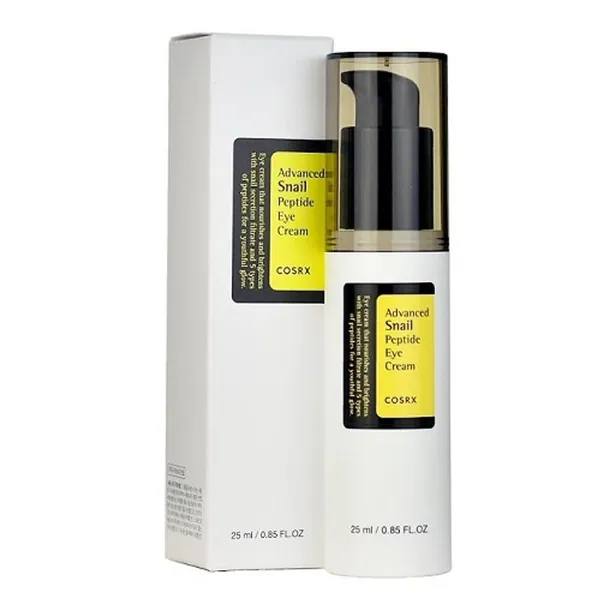
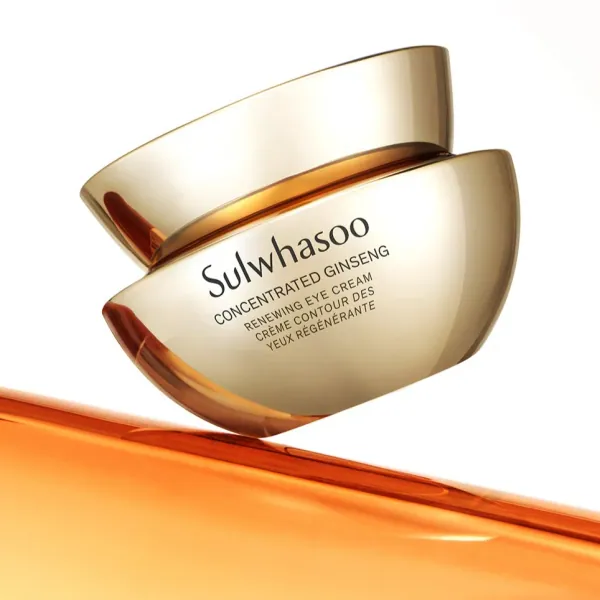
Korean eye creams range from budget-friendly to premium. The Mizon Collagen Eye Cream at under £10 is a solid entry point for hydration. Beauty of Joseon's Ginseng Eye Cream sits in the mid-range and punches well above its price with retinal inclusion. COSRX's Snail Peptide option is the best all-rounder. The Sulwhasoo is a luxury splurge that genuinely delivers results, but whether it delivers £40 more results than the Beauty of Joseon is debatable.