The glycoproteins in snail mucin are remarkably similar to what your skin produces naturally. Centella asiatica has been used in wound healing for centuries. We decode every trending Korean ingredient with the science behind each.
Korean skincare ingredients sound exotic until you understand the science. Most have decades of peer-reviewed research behind them — they're not trends, they're proven actives with good safety profiles.
Snail mucin
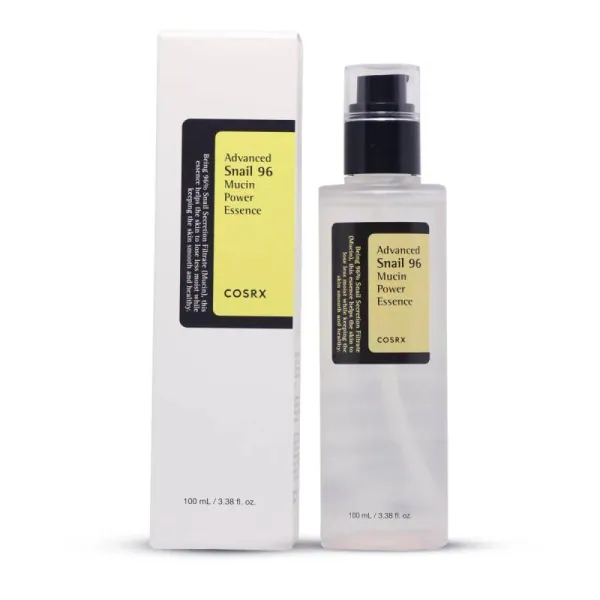
The glycoproteins in snail mucin — allantoin, glycolic acid, hyaluronic acid, and copper peptides — are remarkably similar to what healthy skin produces naturally. It's not the slime that matters; it's the molecular composition. Clinical studies show improved hydration, reduced fine lines, and faster wound healing. COSRX's 96% concentration is the gold standard.
Centella asiatica
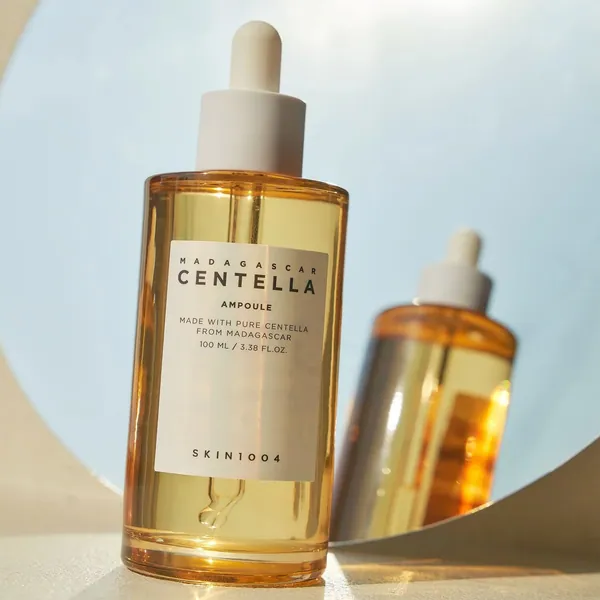
Used in traditional Asian medicine for wound healing. The active compounds — asiaticoside, madecassic acid, and asiatic acid — reduce inflammation and stimulate collagen synthesis. Particularly effective for acne-prone and sensitised skin. Skin1004's Madagascar Centella is sourced from high-altitude plants with higher active concentrations.
Rice bran
Fermented rice water has been used in Korean and Japanese beauty for centuries. The science backs it up: ferulic acid and gamma oryzanol are potent antioxidants. Rice bran extract brightens without the irritation risk of vitamin C. Beauty of Joseon has built their entire line around this ingredient.
What to be sceptical about
Not every Korean ingredient lives up to its marketing. Bee venom, gold, and pearl extract have limited evidence. Stick to the ingredients with clinical data. The three above are a strong foundation.
K-Beauty → Deep dive
Korean Ingredients Decoded
Snail mucin, centella, rice — what the science actually says.
Korean skincare ingredients sound exotic until you understand the science. Most have decades of peer-reviewed research behind them — they're not trends, they're proven actives with good safety profiles.
02
Snail mucin
The glycoproteins in snail mucin — allantoin, glycolic acid, hyaluronic acid, and copper peptides — are remarkably similar to what healthy skin produces naturally. It's not the slime that matters; it's the molecular composition. Clinical studies show improved hydration, reduced fine lines, and faster wound healing. COSRX's 96% concentration is the gold standard.
03
Centella asiatica
Used in traditional Asian medicine for wound healing. The active compounds — asiaticoside, madecassic acid, and asiatic acid — reduce inflammation and stimulate collagen synthesis. Particularly effective for acne-prone and sensitised skin. Skin1004's Madagascar Centella is sourced from high-altitude plants with higher active concentrations.
05
Rice bran
Fermented rice water has been used in Korean and Japanese beauty for centuries. The science backs it up: ferulic acid and gamma oryzanol are potent antioxidants. Rice bran extract brightens without the irritation risk of vitamin C. Beauty of Joseon has built their entire line around this ingredient.
Not every Korean ingredient lives up to its marketing. Bee venom, gold, and pearl extract have limited evidence. Stick to the ingredients with clinical data. The three above are a strong foundation.