Niacinamide in Korean Skincare
Niacinamide is everywhere, but Korean formulations stand out for their elegant layering and effective concentrations. Here is what the science actually says and which products deliver.
What Niacinamide Actually Does
Niacinamide is vitamin B3, and it is one of the most well-researched skincare ingredients in existence. It strengthens the skin barrier by boosting ceramide production, reduces hyperpigmentation by inhibiting melanosome transfer, regulates sebum production, minimises the appearance of pores, and has anti-inflammatory properties. It is, frankly, annoyingly good at everything.
Multiple double-blind studies confirm the effect — they have shown that 2-5% niacinamide significantly improves skin tone, texture, and barrier function over 8-12 weeks. Higher concentrations (10%+) exist but are not necessarily better — they can cause irritation and flushing in sensitive skin without proportionally better results.
Why Korean Brands Excel With Niacinamide
Western brands tend to isolate niacinamide in standalone serums at high concentrations — 10% is common. Korean brands take a different approach. They incorporate niacinamide at moderate concentrations across multiple products in a routine, so you get cumulative exposure without overwhelming your skin.
This layering philosophy means your toner might contain 2% niacinamide, your essence another 2%, and your moisturiser another 2%. Across the routine, you are getting effective levels of the ingredient without the irritation risk of a single high-dose product. It is a smarter approach backed by how the ingredient actually works — consistent, sustained delivery outperforms a single hit.
The Fermentation Advantage
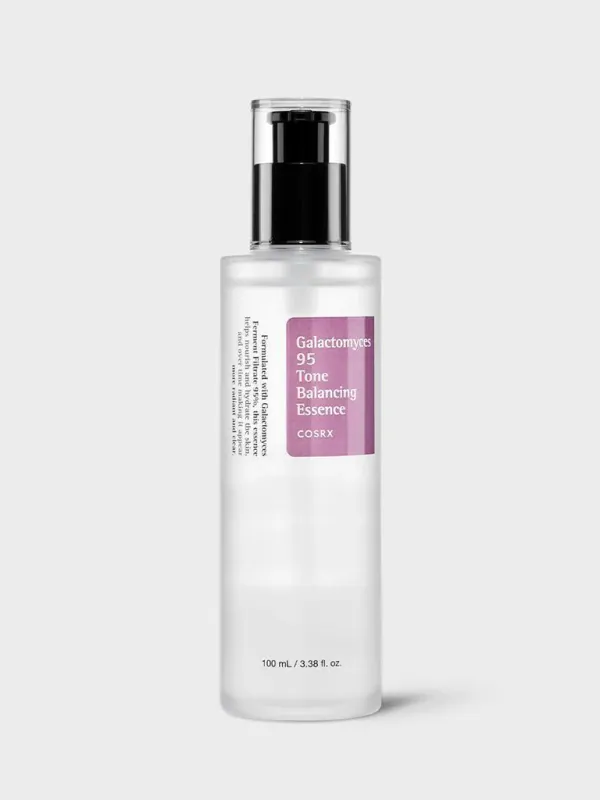
Many Korean niacinamide products pair the ingredient with fermented extracts like galactomyces or saccharomyces. Fermentation breaks down molecules into smaller, more bioavailable forms that penetrate skin more readily. It also produces additional beneficial metabolites — amino acids, peptides, and organic acids — that complement niacinamide's effects.
Can You Use Niacinamide With Vitamin C?
Yes. The old advice that niacinamide and vitamin C cancel each other out is based on a misread of research conducted at temperatures no human face would ever reach. At skin temperature and modern formulation pH levels, they work perfectly well together. Many Korean products contain both in the same formula.
How to Incorporate It
Start with a single niacinamide product and use it for two weeks before adding another. This lets you gauge how your skin responds. Apply it after cleansing and toning, before heavier serums and moisturisers. If you experience any flushing or tingling, the concentration may be too high or you may be layering too many active products at once.
For UK skin that deals with redness from cold weather and central heating, niacinamide is particularly valuable. Its barrier-strengthening and anti-inflammatory properties directly address the environmental stressors British skin faces year-round.