Snail Mucin: The Everything Guide
Snail mucin sounds bizarre but the science is compelling. This guide covers how it works, what it actually does for your skin, and whether the ethical concerns are warranted.
What Is Snail Mucin?
Snail mucin — technically called snail secretion filtrate — is the slime that snails produce to protect their bodies and repair their skin as they move across rough surfaces. In skincare, it is harvested, filtered, and processed into a clear, slightly viscous liquid that is surprisingly pleasant to use.
The composition is genuinely impressive: glycoproteins, hyaluronic acid, glycolic acid, zinc, copper peptides, and allantoin. These are all ingredients that you would find in high-end serums individually, but snail mucin delivers them together in a naturally occurring complex. The glycoproteins in particular are unique to snail mucin and have been shown in studies to promote wound healing and collagen synthesis.
What the Research Says
There are legitimate clinical studies on snail mucin, not just marketing claims. A 2013 study in the Journal of Drugs in Dermatology found that snail mucin significantly improved skin hydration, fine lines, and roughness after 12 weeks. Another study demonstrated accelerated wound healing when snail secretion was applied topically.
The ingredient works primarily through hydration and barrier repair. It is not a miracle worker that will erase deep wrinkles or cure acne overnight, but it is an exceptionally effective humectant and skin-soother that supports overall skin health. Think of it as a multivitamin for your face rather than a targeted treatment.
The Ethics Question
This is important and deserves an honest answer. Snail mucin is harvested by placing snails on mesh surfaces in dark, humid environments. The snails naturally produce mucin as they move. Reputable Korean manufacturers claim this process is stress-free and the snails are well cared for, but independent verification is limited.
If you are vegan, snail mucin is not for you — it is an animal product regardless of how humanely it is collected. If you are vegetarian or simply concerned about animal welfare, you will need to make a personal judgment call. COSRX has been the most transparent about their farming practices, stating their snails are free-range and the collection process mimics natural conditions.
Alternatives If You Are Not Comfortable
Beta-glucan and polyglutamic acid offer similar humectant properties. Centella asiatica provides comparable soothing and repair benefits. You will not get the exact same ingredient profile, but you can achieve similar results with a combination of plant-based alternatives.
How to Use Snail Mucin Products
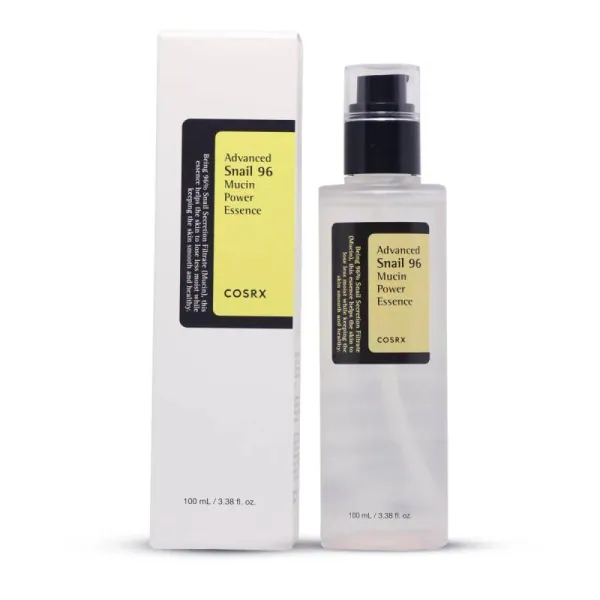
Apply after toner, before heavier serums and moisturiser. The COSRX 96 Mucin Essence is the gateway product — it is affordable, widely available, and genuinely effective. Dispense two to three pumps into your palms and press into your face. It will feel slightly tacky for a minute before absorbing.
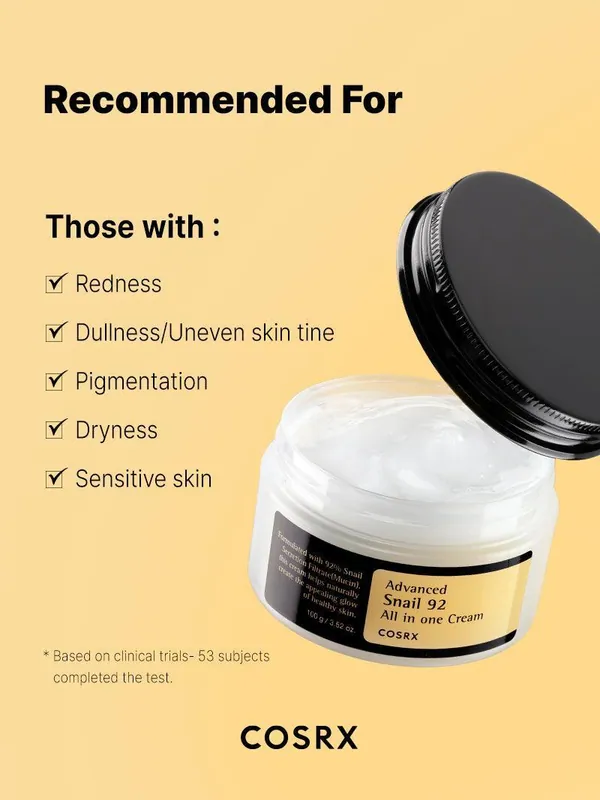
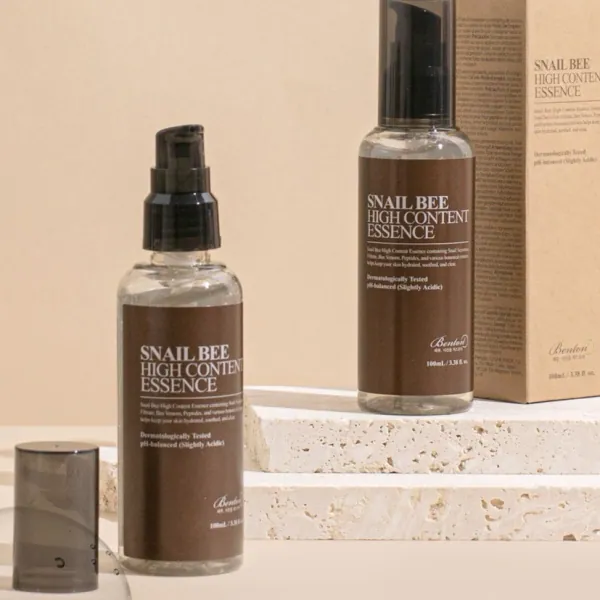
The Benton Snail Bee Essence is better suited for acne-prone skin as it pairs snail mucin with bee venom, which has anti-inflammatory properties. The COSRX 92 Cream is an excellent moisturiser option for those who want snail mucin benefits in their final hydration step rather than as a separate essence layer.