LED therapy used to mean clinic appointments and three-figure bills. These four masks bring clinical wavelengths home — we compared light output, comfort, and whether the results actually hold up after eight weeks of consistent use.
What LED therapy actually does
LED light therapy works by delivering specific wavelengths of light into the skin. Red light (around 630-660nm) stimulates collagen production and supports cell turnover. Blue light (around 460nm) targets the bacteria responsible for acne breakouts. Near-infrared (830nm) penetrates deeper, helping with inflammation and tissue repair. None of this is new science — dermatologists have used LED panels in clinics for over a decade. The shift is that home devices now deliver enough power density to produce measurable results, though at lower intensities than clinical equipment.
How we compared them
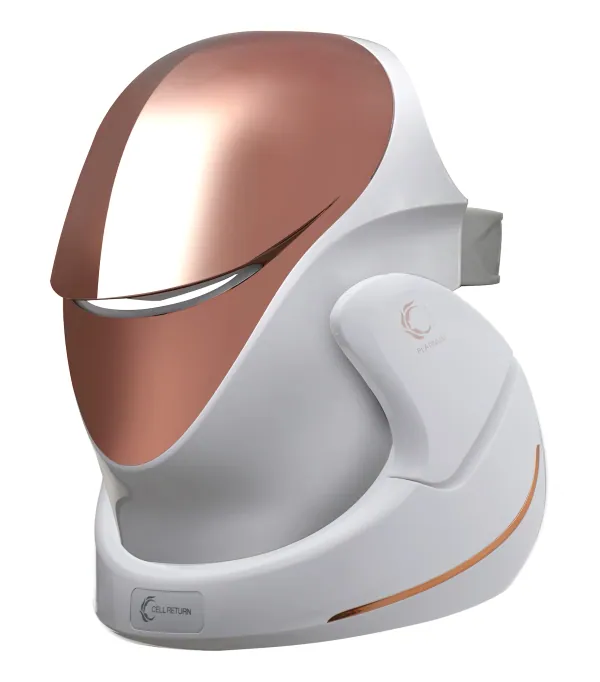
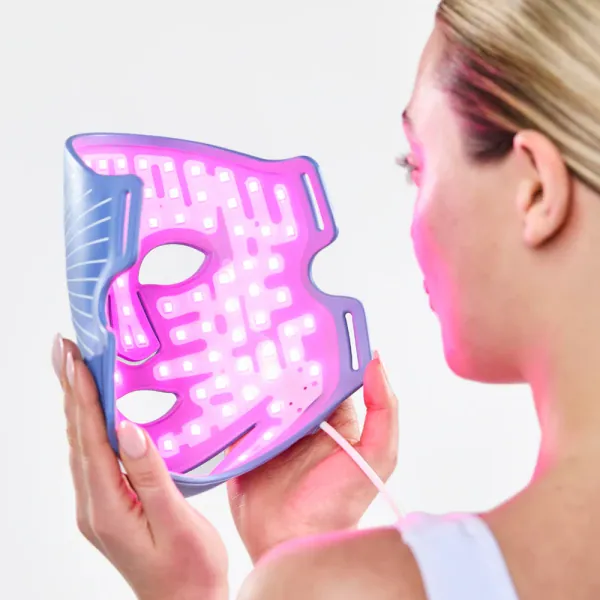
We looked at three things: verified wavelength output, build comfort over a 10-minute session, and visible skin changes after eight weeks of near-daily use. The Cellreturn Platinum comes from one of South Korea's biggest LED therapy brands and covers all three key wavelengths in a single mask. The CurrentBody Skin mask has become a UK favourite for good reason — the flexible silicone design moulds to most face shapes without pressure points, though it only covers red and near-infrared. The SKIN1004 offers a solid entry point under £80 for anyone not ready to commit to a higher price, while the LG Pra.L brings Korean electronics engineering to a comfortable, lightweight shell.
What to expect realistically
Consistency matters more than which mask you choose. Three to five sessions per week over at least six weeks is the minimum before expecting visible improvement in skin texture or redness. LED therapy is not a replacement for retinoids, sunscreen, or professional treatments for specific conditions. Think of it as a low-risk addition to an existing routine — the kind of thing that compounds quietly over months rather than delivering overnight transformation. If you are treating active acne, prioritise a mask with blue light. For general anti-ageing and skin tone, red and near-infrared are the wavelengths that matter most.
Worth noting
All four masks here are cleared for home use and sit within a reasonable power output range. The price spread — roughly £80 to £190 — reflects build quality and wavelength coverage more than effectiveness at any single wavelength. If budget allows, the Cellreturn covers the widest spectrum. If you want the most comfortable daily-use experience, the CurrentBody Skin mask is hard to beat. Either way, pair your LED sessions with a good serum underneath (vitamin C or niacinamide work well) to get the most from each treatment window.
Skincare Devices → Picks
Best LED Face Masks for Home Use
Four LED masks tested across red, blue, and near-infrared wavelengths.
LED light therapy works by delivering specific wavelengths of light into the skin. Red light (around 630-660nm) stimulates collagen production and supports cell turnover. Blue light (around 460nm) targets the bacteria responsible for acne breakouts. Near-infrared (830nm) penetrates deeper, helping with inflammation and tissue repair. None of this is new science — dermatologists have used LED panels in clinics for over a decade. The shift is that home devices now deliver enough power density to produce measurable results, though at lower intensities than clinical equipment.
02
How we compared them
We looked at three things: verified wavelength output, build comfort over a 10-minute session, and visible skin changes after eight weeks of near-daily use. The Cellreturn Platinum comes from one of South Korea's biggest LED therapy brands and covers all three key wavelengths in a single mask. The CurrentBody Skin mask has become a UK favourite for good reason — the flexible silicone design moulds to most face shapes without pressure points, though it only covers red and near-infrared. The SKIN1004 offers a solid entry point under £80 for anyone not ready to commit to a higher price, while the LG Pra.L brings Korean electronics engineering to a comfortable, lightweight shell.
03
What to expect realistically
Consistency matters more than which mask you choose. Three to five sessions per week over at least six weeks is the minimum before expecting visible improvement in skin texture or redness. LED therapy is not a replacement for retinoids, sunscreen, or professional treatments for specific conditions. Think of it as a low-risk addition to an existing routine — the kind of thing that compounds quietly over months rather than delivering overnight transformation. If you are treating active acne, prioritise a mask with blue light. For general anti-ageing and skin tone, red and near-infrared are the wavelengths that matter most.
05
Worth noting
All four masks here are cleared for home use and sit within a reasonable power output range. The price spread — roughly £80 to £190 — reflects build quality and wavelength coverage more than effectiveness at any single wavelength. If budget allows, the Cellreturn covers the widest spectrum. If you want the most comfortable daily-use experience, the CurrentBody Skin mask is hard to beat. Either way, pair your LED sessions with a good serum underneath (vitamin C or niacinamide work well) to get the most from each treatment window.