High Frequency Wands: The Acne-Fighting Device Your Grandma Used
High frequency therapy has been a staple of professional facials since the 1890s. These glass electrode wands generate an oscillating current that produces ozone on the skin's surface — killing acne-causing bacteria and increasing circulation. Here is what the evidence says and which wands to consider.
What High Frequency Actually Does
Korean estheticians have long used high-frequency treatment as a standard step in facial menus, particularly for acne-prone clients — it sits alongside galvanic and steam in the classic Korean facial sequence.
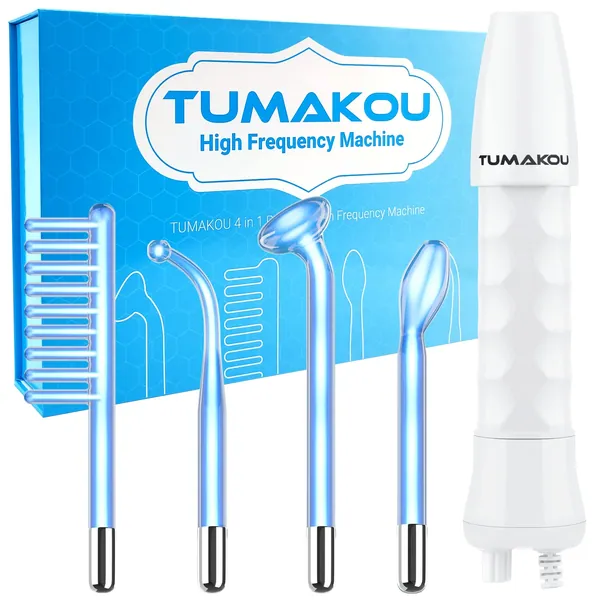
A high frequency wand consists of a handle that generates an oscillating electrical current (typically 100,000 to 250,000 Hz) and a set of interchangeable glass electrodes filled with argon or neon gas. When the electrode contacts the skin, the current causes the gas to glow and generates a small amount of ozone and heat on the skin's surface.
The ozone has antibacterial properties — it oxidises the cell membranes of P. acnes bacteria, the primary cause of inflammatory acne. The thermal effect increases local blood circulation, bringing oxygen and nutrients to the treated area while supporting the skin's natural healing process. It is a simple technology that has endured for over a century because it works for a specific purpose.
Violet vs Orange Electrodes
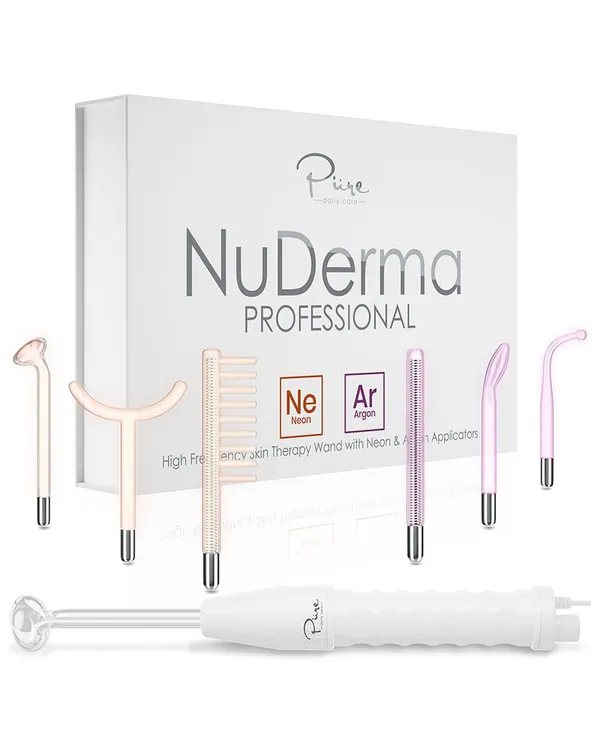
Argon gas glows violet and is the standard choice for acne-prone and oily skin. The violet light has mild antibacterial properties beyond the ozone effect. Neon gas glows orange and is traditionally used on ageing or dull skin — the warmer wavelength is said to be more stimulating for circulation, though the evidence for a meaningful difference between the two gases is thin. In practice, both produce ozone and both improve blood flow. Choose violet for breakouts, orange for general vitality, and don't overthink it.
Three Wands Compared
The **TUMAKOU** at £30 is the budget pick and comes with four electrodes — mushroom (full face), comb (scalp), spoon (under-eye), and bend (spot treatment). Build quality is adequate, the intensity dial works smoothly, and it does the job. The glass electrodes feel slightly thinner than the premium options, so handle them carefully.
The **NuDerma Professional** at £40 is the most popular option on Amazon UK and justifies the small premium with six electrodes covering more use cases, including a tongue-shaped electrode for the neck. The handle feels more substantial, the intensity dial has finer gradation, and the electrodes are noticeably thicker. It is the one to buy if you want the best all-round option.
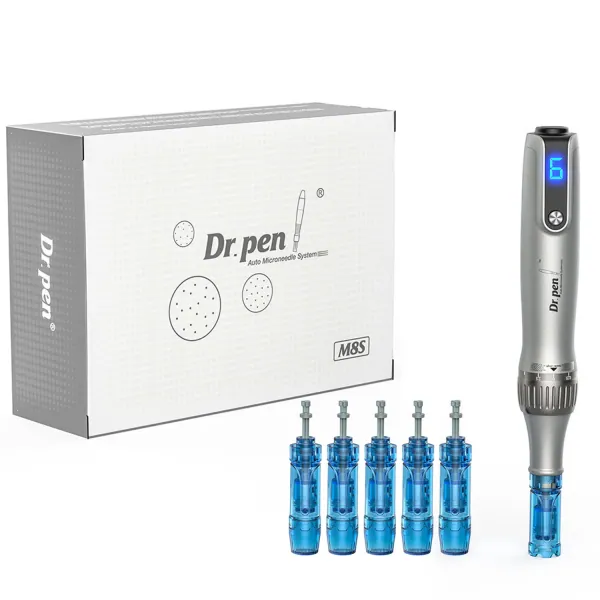
The **Dr. Pen** at £35 sits between the two. It includes five argon electrodes and no neon option, which is fine if you are primarily targeting acne. Build quality is comparable to the NuDerma. The brand's reputation in the microneedling space lends some credibility, though high frequency wands are simple enough that brand pedigree matters less here than with more complex devices.
How to Use Safely
Always use on clean, dry skin — never over serums, moisturisers, or anything containing flammable ingredients (including alcohol-based toners). Start at the lowest intensity and work upward. Keep the electrode moving at all times; holding it stationary can cause discomfort or minor burns. For acne, use the bent electrode directly on individual spots for 3 to 5 seconds each. For full-face treatment, use the mushroom electrode in circular motions for 3 to 5 minutes total.
Do not use near the eyes, on broken skin, or over areas with active dermatitis. The ozone smell is normal and harmless in the small quantities produced. Use two to three times per week rather than daily to avoid over-drying the skin.
Who Benefits Most
High frequency wands are most effective for people dealing with mild to moderate inflammatory acne, particularly hormonal breakouts along the jawline and chin. They also work well as a post-extraction treatment in a home facial routine — the antibacterial effect helps prevent infection after manually clearing blocked pores. For anti-ageing, the circulation benefits are real but modest; other technologies (LED, microcurrent, RF) are more effective for that purpose.