Red Light Therapy at Home: A Complete Deep Dive
Red light therapy is one of the most researched non-invasive skin treatments available. With hundreds of clinical studies supporting its effects on collagen, inflammation, and wound healing, it has moved from clinic curiosity to mainstream home treatment. Here is everything you need to know to use it effectively.
The Science of Photobiomodulation
Red light therapy — technically called photobiomodulation — works at the cellular level. When red light (typically 620-660nm) and near-infrared light (810-850nm) penetrate the skin, they are absorbed by cytochrome c oxidase, an enzyme in the mitochondria. This absorption increases the production of adenosine triphosphate (ATP), the energy currency of cells. More ATP means cells can function, repair, and regenerate more efficiently.
The downstream effects are well-documented across hundreds of studies. Fibroblasts produce more collagen and elastin. Inflammatory markers like TNF-alpha and IL-6 decrease. Blood flow to treated areas improves. Wound healing accelerates. These are not theoretical effects — they have been demonstrated in randomised controlled trials across dermatology, sports medicine, and wound care.
Wavelengths Explained
Not all red light is equal. The two most clinically relevant wavelengths for skin are **633nm red** and **830nm near-infrared (NIR)**. Red light at 633nm is absorbed primarily in the upper dermis, where it stimulates collagen production and reduces inflammation. NIR at 830nm penetrates deeper — reaching the lower dermis and even subcutaneous tissue — where it promotes healing and reduces deeper inflammation.
Blue light at 415-465nm is sometimes included for antibacterial effects, particularly against P. acnes bacteria. It does not stimulate collagen and should not be confused with red light therapy. Devices that combine red and blue are versatile, but for anti-ageing specifically, red and NIR are what matter.
Energy Density: The Detail Most People Miss
The effectiveness of LED therapy depends on energy density, measured in joules per square centimetre (J/cm2). Research suggests an optimal range of 4 to 10 J/cm2 per session for skin rejuvenation. Below this threshold, results are minimal. Above it, a biphasic response can occur where excessive light actually inhibits cellular function.
This is why treatment time and distance matter. A more powerful device delivers the optimal dose faster. A weaker device needs longer sessions. Most reputable manufacturers calculate their recommended treatment time to deliver an appropriate dose — follow it rather than guessing.
Four Home Devices Compared
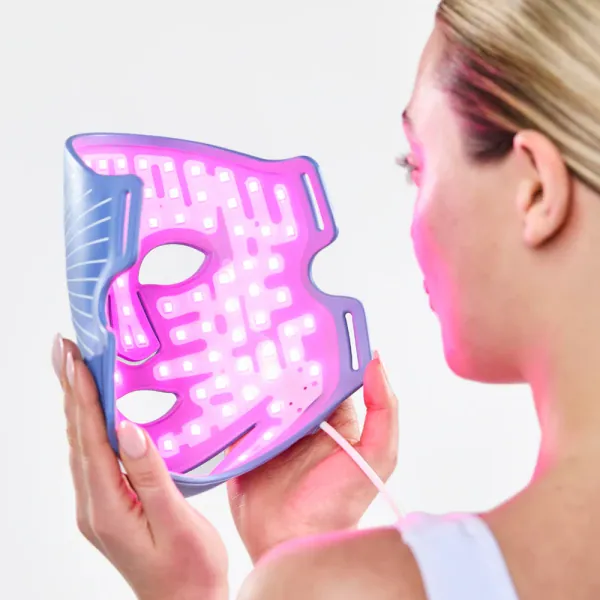
**CurrentBody Skin LED Mask** is the most widely recommended home LED device in the UK, and for good reason. Its flexible silicone design sits close to the face for optimal light delivery, the 633nm and 830nm dual-wavelength system covers the two most important spectra, and it is FDA-registered with 510(k) clearance. Ten-minute sessions are backed by clinical data showing measurable improvements in wrinkle depth and skin firmness after 4 to 8 weeks. At £159, it represents the best balance of clinical credibility and value.
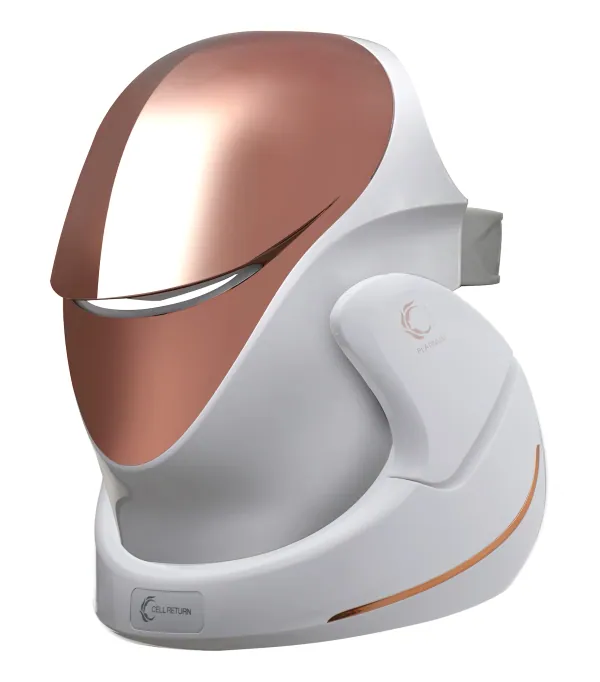
**Cellreturn Platinum LED Mask** adds blue light to the red and NIR combination, making it suitable for acne-prone skin as well as anti-ageing. The build quality is excellent — the mask feels substantial and the LEDs are evenly distributed. It is a strong choice for someone dealing with both breakouts and early signs of ageing. At £189, the premium over the CurrentBody reflects the additional wavelength.
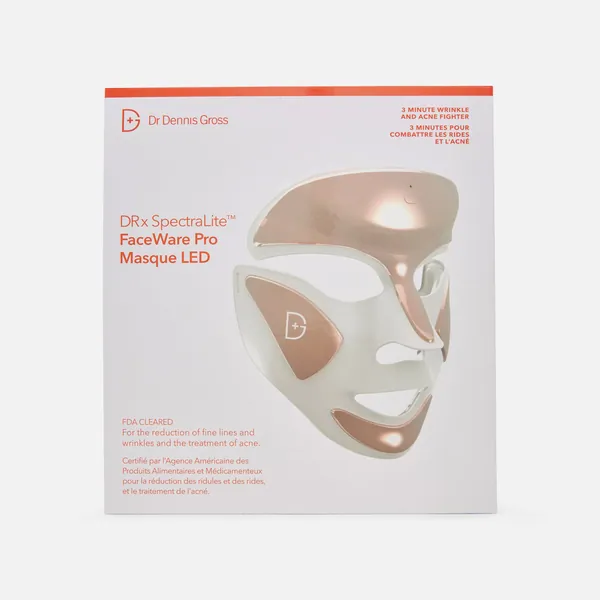
**Dr. Dennis Gross SpectraLite FaceWare Pro** takes a different approach with a rigid mask design and a remarkably short 3-minute treatment time. The higher power output means faster dose delivery. The rigid design ensures consistent distance from the skin but fits some face shapes better than others. At £209 it is the priciest option here, and the absence of NIR limits its effectiveness compared to the dual-wavelength devices. Best for people who prioritise speed and convenience.
**AMIRO L1** is the newcomer at £139, offering three wavelengths in a flexible design. It is a strong budget option that covers all the key wavelengths. Build quality is good though not quite at CurrentBody's level. For someone entering LED therapy who wants versatility without paying premium prices, it is a compelling choice.
Building an Effective LED Routine
Consistency matters more than session length. Five 10-minute sessions per week will outperform two 30-minute sessions. Use LED after cleansing and before heavier products — some serums (particularly those containing vitamin C or niacinamide) can enhance results when used alongside red light therapy. Do not use retinol immediately before LED, as it can increase photosensitivity. Most people see initial improvements in skin texture and radiance within 2 weeks, with structural collagen changes becoming apparent after 6 to 12 weeks.
Safety and Contraindications
LED therapy is one of the safest at-home treatments available. It does not cause UV damage, does not heat the skin significantly, and has no downtime. However, it is contraindicated for people with epilepsy or photosensitive conditions, those taking photosensitising medications (including certain antibiotics and retinoids at high doses), and anyone with active skin cancer in the treatment area. If you have melasma, proceed with caution — some evidence suggests that light exposure can worsen hyperpigmentation in susceptible individuals.