RF Skin Tightening Devices: The Science Behind Radio Frequency at Home
Radio frequency skin tightening used to be a clinic-only treatment costing hundreds per session. Home devices now promise similar results at a fraction of the price — but the power levels are deliberately lower. We dig into what RF actually does to skin and which devices are worth considering.
What Radio Frequency Does to Skin
Radio frequency energy heats the dermis — the layer beneath the surface — to between 40 and 43 degrees Celsius. At that temperature range, existing collagen fibres contract and tighten, producing an immediate (though temporary) firming effect. More importantly, the controlled thermal injury triggers the skin's wound-healing response, stimulating fibroblasts to produce new collagen and elastin over the following weeks and months.
In clinical settings, RF devices operate at significantly higher power levels, which is why a single professional treatment can produce visible results. Home devices use lower energy to reduce the risk of burns, which means they require consistent use — typically four to five sessions per week for the first two months — before structural changes become apparent.
The Evidence Base
RF technology has a reasonable body of clinical evidence behind it, particularly from professional devices. Systematic reviews of radiofrequency devices have shown that monopolar and bipolar RF treatments produce statistically significant improvements in skin laxity and wrinkle depth. Home devices have fewer dedicated studies, but NEWA cites peer-reviewed data showing measurable collagen density increases after 12 weeks of regular use.
It is worth being realistic. Home RF will not replicate a surgical facelift or even match a course of professional Thermage treatments. What it can do is slow visible ageing and maintain firmer-feeling skin with consistent use. Think of it as maintenance rather than transformation.
Three Devices Worth Considering
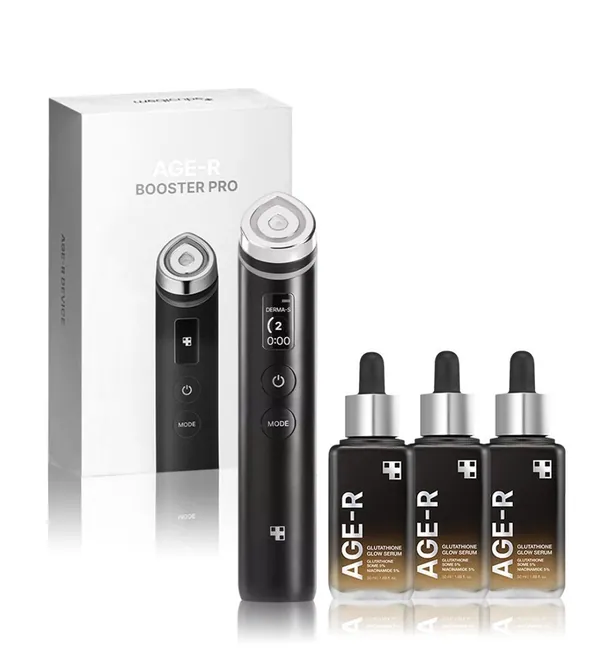
The MEDICUBE AGE-R Booster Pro combines RF with electrical muscle stimulation (EMS), aiming to tighten skin and tone facial muscles simultaneously. It is lightweight, heats quickly, and the Korean design community has embraced it enthusiastically. At £159, it represents a mid-range entry point with genuine dual functionality. The main limitation is its smaller treatment head, which means full-face sessions take a bit longer.
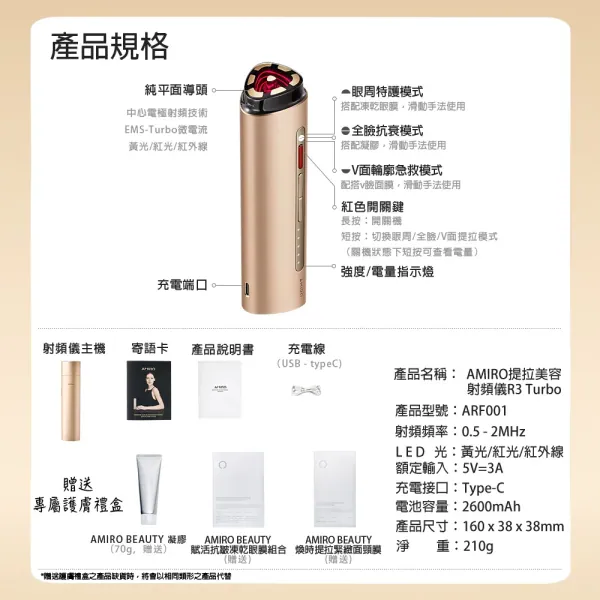
AMIRO's R3 TurboLift pairs RF with red LED light at 630nm, adding a phototherapy element to the heating process. The device features a temperature sensor that adjusts output automatically to prevent overheating — a thoughtful safety feature. Build quality is excellent, and the ergonomic shape makes jawline and neck treatments comfortable.
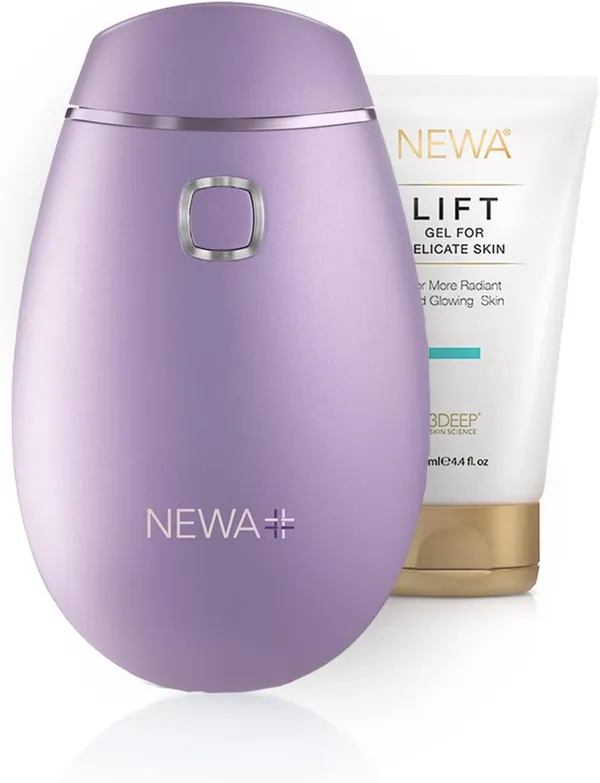
The NEWA is the most clinically validated home RF device available in the UK. Its 3DEEP technology delivers energy to multiple dermal depths simultaneously, and it is the only home RF device with published peer-reviewed clinical trials. At £249 plus the cost of proprietary gel refills (roughly £25 each), it is the priciest option, but for anyone who wants the strongest evidence backing their purchase, it is the obvious choice.
Safety Considerations
RF devices should not be used over metal implants, fillers, or areas with active skin conditions. The heat can be uncomfortable if you move the device too slowly — keep it gliding steadily. Always use a conductive gel; RF energy does not transmit effectively through dry skin and attempting to use the device without gel risks surface burns. Pregnant or breastfeeding individuals should avoid RF treatments as a precaution.
Who Benefits Most
RF devices are best suited to people in their mid-30s and beyond who are noticing early loss of firmness — softening jawlines, faint nasolabial lines, or skin that doesn't bounce back the way it used to. Younger skin already produces collagen efficiently and is unlikely to see meaningful benefit. If you are dealing with severe laxity, professional treatments will always outperform home devices. The sweet spot is mild to moderate early ageing in someone willing to commit to a consistent routine.