Ultrasonic Skin Spatulas: Do They Actually Work?
Ultrasonic skin spatulas vibrate at 28,000 Hz to lift sebum and dead skin from pores without harsh scrubbing. We tested three popular models to see whether the extraction claims hold up — and how they compare to a decent double cleanse.
What Is an Ultrasonic Skin Spatula?
An ultrasonic skin spatula is a flat, stainless steel blade that vibrates at ultrasonic frequencies — typically between 24,000 and 30,000 Hz. When held against damp skin, those vibrations create tiny cavitation bubbles that loosen sebum, blackheads, and dead skin cells sitting inside pores. Unlike manual extraction or pore strips, the process is largely painless and doesn't stretch or damage surrounding tissue.
Most spatulas offer multiple modes. The cleaning mode lifts debris outward. A moisture or infusion mode reverses the vibration direction to push serums deeper into the skin. Some also include a gentle lifting mode that uses intermittent pulses along the jawline and cheeks.
How to Use One Properly
Technique matters more than the device itself. Your skin must be damp — ideally after steaming or laying a warm flannel over your face for two minutes. Hold the spatula at roughly a 30-degree angle and glide it slowly across the skin, working in short upward strokes. Never press hard. The vibrations do the work, not pressure.
For the infusion mode, apply your serum first, then pass the spatula over each area for 15 to 20 seconds. The idea is that ultrasonic vibrations temporarily loosen the intercellular matrix just enough to improve penetration. Clinical evidence on this is limited but promising, particularly for water-soluble actives like hyaluronic acid and niacinamide.
Three Models Compared
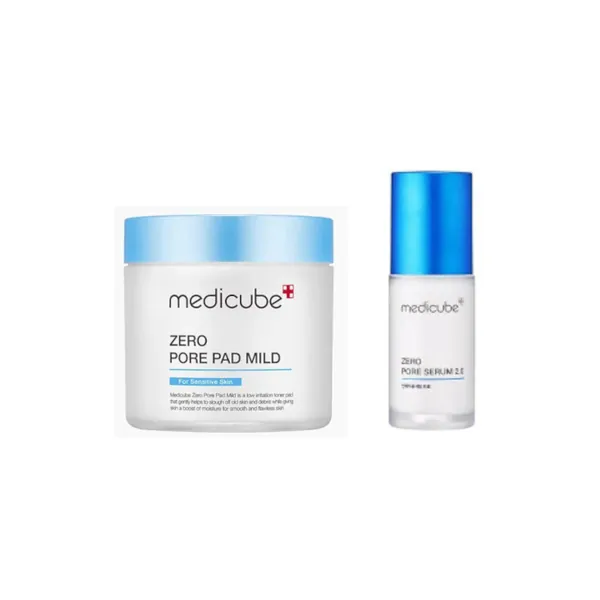
The MEDICUBE Pore Spatula sits in a comfortable middle ground — good build quality, three modes, and a rechargeable battery that lasts around 30 uses. It extracts noticeably well on the nose and chin. At roughly £43, it represents solid value for anyone already committed to a multi-step routine.
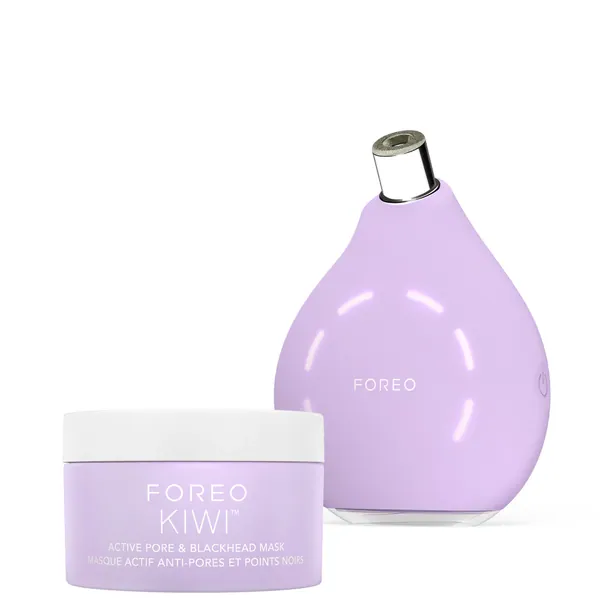
FOREO's KIWI costs nearly double but brings a premium silicone grip, a slightly higher vibration frequency, and the brand's typical attention to design. Whether the extra frequency translates to better results is debatable. In testing, the difference was marginal, though the KIWI felt more comfortable to hold during longer sessions.
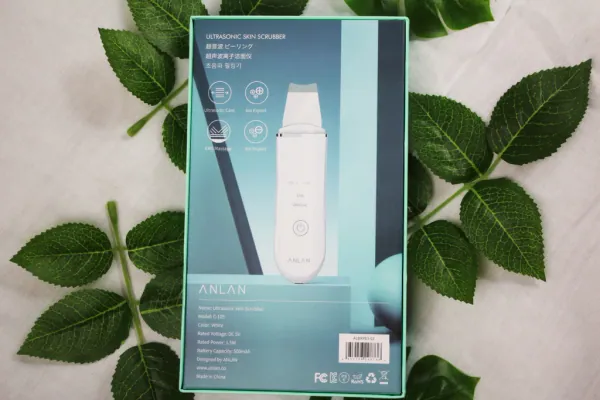
The ANLAN model at £25 is the budget option and, frankly, does a respectable job for the price. Build quality is noticeably cheaper — thinner metal, louder motor — but the core extraction function works. If you want to try the category without committing, it is a sensible starting point.
Who Should Skip This
If you have active acne, rosacea, or broken capillaries, ultrasonic spatulas are not for you. The vibrations can aggravate inflammation and spread bacteria across the skin. People with very dry or sensitised skin should also approach with caution — the extraction mode can be mildly drying if overused. Once or twice a week is plenty for most skin types.
The Honest Verdict
Ultrasonic spatulas are not miracle devices, but they are a genuinely useful addition to a thorough cleansing routine. They extract more effectively than fingers alone and less aggressively than manual tools. For congested, oily, or combination skin types in particular, the visible improvement in pore clarity is real and repeatable.